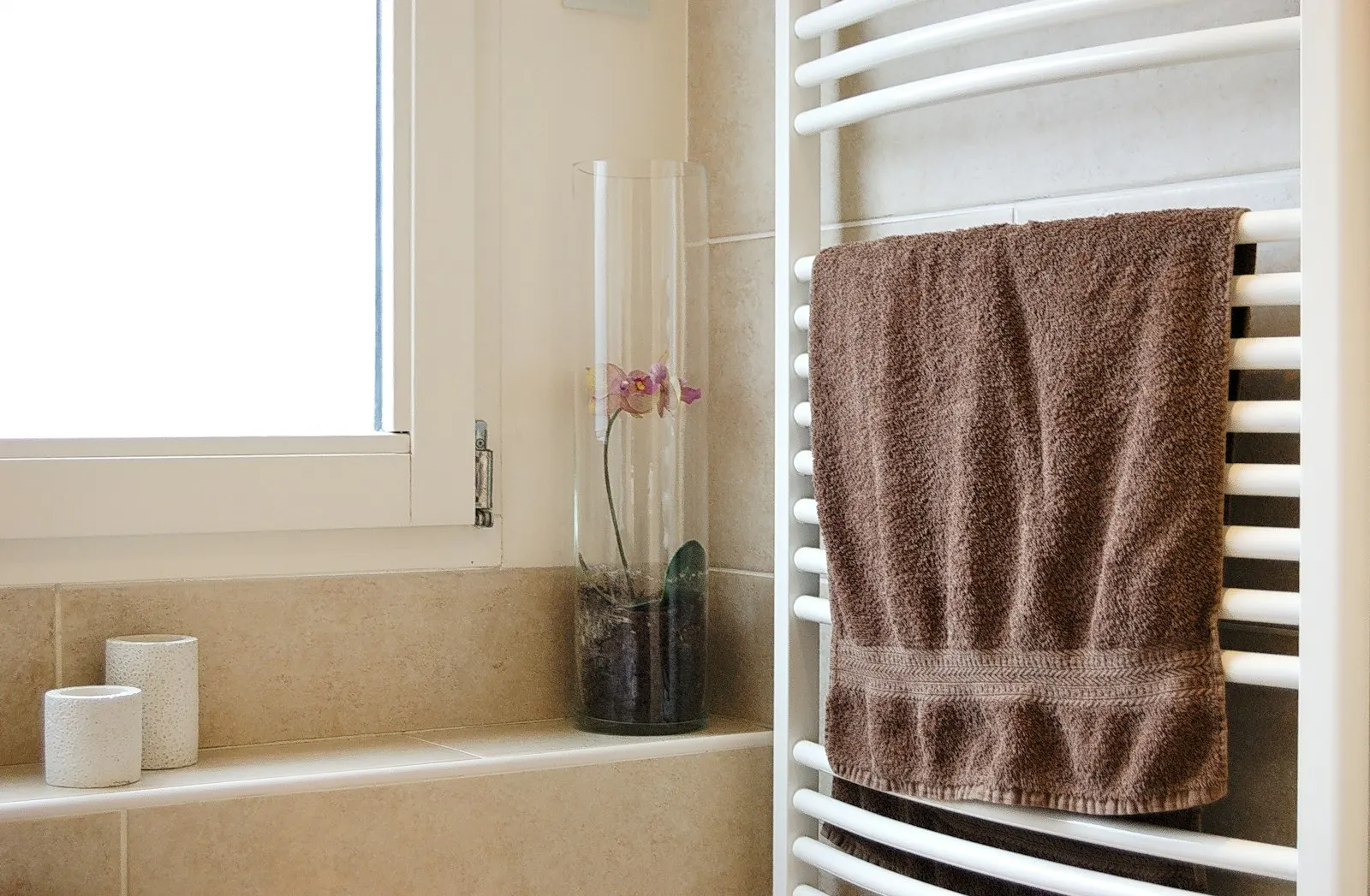
Small bathroom fittings get used every day and take more strain than you might think. Towel rails are pulled on, toilet roll holders get knocked, robe hooks carry heavy wet towels, and shower shelves are loaded with bottles. When they come loose, it is usually because they were fixed into plasterboard alone, or because water has got in behind the fixing. Replacing or upgrading bathroom accessories is also one of the simplest ways to refresh a dated bathroom.
We install and replace bathroom fixtures and accessories across Berwick, Narre Warren and the City of Casey. We drill tiles cleanly, fix into suitable structure and seal fixings so water does not get behind the tiles.
Bathroom accessories we install
- Towel rails (single, double and towel rings), non-heated
- Toilet roll holders
- Robe hooks and towel hooks
- Shower shelves, corner caddies and niches accessories
- Bathroom mirrors and mirror cabinets (shaving cabinets)
- Wall-mounted shelves and storage units
- Soap dishes and toothbrush holders
- Glass shelves
- Grab rails (see aged care and disability rails)
- Shower curtain rails and rods
- Towel ladders and freestanding fixing
- Laundry hanging rails and drying racks
- Replacement toilet seats
Drilling tiles without cracking them
Drilling into tiles is where most DIY bathroom jobs go wrong. Ceramic and porcelain tiles crack if drilled with the wrong bit or too much pressure, and glazed surfaces make bits wander. We use diamond or tile bits, mark the position with tape so the bit does not slip, drill slowly with water cooling where needed, and keep drilling through the tile separate from drilling into the wall behind. Where possible, we drill in the tile rather than through grout lines, because a fixing in grout is weaker and can crack the joint.
Fixing into the wall behind
Behind the tile there may be timber studs, villaboard or fibre cement, plasterboard, brick or block. Each needs a suitable fixing:
- Timber studs or noggings give the strongest fixing for towel rails and grab rails
- Fibre cement sheeting needs anchors designed for it
- Hollow walls without backing need suitable cavity anchors, and are not suitable for grab rails
- Brick and block need masonry plugs
Anything that will be pulled on hard, such as a grab rail or a heavily used towel rail, should be fixed into structure. We locate studs before drilling and choose the fixing to suit.
Sealing fixings in wet areas
A hole drilled through a tile in a wet area is a path for water. We fill fixings with suitable silicone sealant so water does not get behind the tile. This is especially important in showers. Note that drilling inside the shower recess may penetrate the waterproofing membrane; sealing helps, but it is better to place fixings outside the shower recess where practical, or use adhesive-mounted products designed for showers.
Replacing old accessories
Old accessories usually leave holes and marks. When replacing them, we try to choose new accessories whose mounting plates cover the old holes or reuse the existing fixings. Where old holes are visible, we fill them with a tile-coloured filler or sealant. If you are choosing new accessories, it helps to measure the spacing of the old ones and look for similar sizes.
Mirrors and mirror cabinets
Bathroom mirrors may be fixed with clips, adhesive or a frame. Mirror cabinets are heavier and need solid fixing, sometimes into studs or noggings. We can remove old mirrors and install new ones. Mirrors glued to the wall can be difficult to remove without breaking them, and the wall behind often needs patching, so we discuss this with you before we start. Mirror cabinets with built-in lighting or power points must be connected by an electrician.
Shower storage
Shower caddies and shelves keep bottles off the floor and make the shower easier to clean. Options include corner shelves fixed with screws, adhesive shelves, tension poles and hanging caddies. Screw-fixed options are the most secure; adhesive options avoid drilling into the shower but need a clean, dry surface to bond.
Toilet seats
Replacing a toilet seat is a quick job that freshens up a bathroom. We fit new seats to suit your pan shape, including soft-close seats, and ensure the fixings are firm and the seat sits correctly. Repairs to the toilet itself, such as the cistern or leaks, need a plumber.
Bathroom refresh without renovating
A bathroom refresh can include new towel rails, toilet roll holder, robe hooks, a new mirror or shaving cabinet, a soft-close toilet seat, fresh silicone and regrouting. Together these changes can make a bathroom look very different without a full renovation. See silicone and caulking and tiling and regrouting.
Matching finishes
Bathroom accessories come in chrome, brushed nickel, matte black, brushed brass and other finishes. Matching accessories to tapware gives a cohesive look. If you are changing tapware at the same time, that work must be done by a licensed plumber, and we can install accessories to match once the plumber has finished.
Rental bathrooms
In rental properties, loose towel rails and broken toilet roll holders are some of the most common maintenance requests. Using sturdy accessories and solid fixings reduces repeat call-outs. We can replace accessories between tenancies and photograph the finished bathroom for your records.
Related services
- Silicone and caulking
- Tiling and regrouting
- Aged care and disability rails
- Picture and shelf hanging
- End-of-lease and rental repairs
Areas covered
Bathroom fixtures and accessories across Berwick, Narre Warren, Narre Warren South, Narre Warren North, Narre Warren East, Hallam, Hampton Park, Lynbrook, Lyndhurst and Harkaway.
Positioning accessories
Where accessories go matters for daily use. Toilet roll holders should be within easy reach from the seated position, usually slightly forward of the pan. Towel rails should be within reach of the shower door and clear of the door swing. Robe hooks need clearance from doors and light switches. Mirrors should be centred on the vanity at a comfortable height for the main users. We talk through positions with you before drilling.
What we do not do
We do not carry out plumbing such as replacing taps, shower heads connected to new pipework, toilets, cisterns or vanity basins, or electrical work such as heated towel rails, exhaust fans or lit mirrors. These need licensed trades. We can install the non-plumbed, non-electrical items and work around those trades.
Products you have bought
Many people buy accessories online or from hardware stores and just need them installed. We are happy to install your products. Check that all parts and fixings are included before the visit, and keep the instructions handy. If the supplied fixings are not suitable for your wall, we will use better ones.
Ensuites and powder rooms
Ensuites and powder rooms are often small, with limited wall space between the vanity, toilet, shower and door. Getting accessories into the right spots so they are easy to use and do not clash with doors, screens or each other takes a bit of planning. In powder rooms, a hand towel ring or hook near the basin and a well-placed toilet roll holder are usually all that is needed. In ensuites, robe hooks near the shower and a towel rail clear of the door swing make the space work.
Laundry accessories
Laundries benefit from similar accessories: hanging rails for drying shirts, retractable clotheslines, broom and mop holders, shelves above the washing machine and hooks for bags. Laundry walls are often tiled only behind the trough, with plasterboard elsewhere, so we fix to suit each surface.
Families with children
In family bathrooms, accessories get used hard: towel rails pulled on, step stools pushed against vanities and hooks used as handholds. Using robust accessories and fixing them into structure means fewer repairs later. Placing hooks at heights children can reach also helps keep towels off the floor.
Choosing accessories that last
Not all accessories are equal. Cheaper zinc alloy fittings with thin plating can pit and peel in steamy bathrooms within a few years. Solid brass with quality chrome plating, or stainless steel, lasts much longer. Concealed fixing plates should be metal rather than plastic, and grub screws should be easy to tighten. If you are buying accessories, look for products designed for wet areas and check the fixing method before purchase. We are happy to give an opinion before you buy.
Shower curtain rails for baths
Many older bathrooms and some ensuites have a bath with a shower over it and a curtain rather than a screen. Curtain rails and rods need firm fixing at each end because they are pulled on every time the curtain is drawn. Tension rods slip over time. We install fixed rails or L-shaped rails with ceiling supports where needed, fixed into structure.
Accessible bathrooms
For older family members, people recovering from surgery or anyone with reduced mobility, accessories need more thought: lever taps (plumber), grab rails, a shower seat, a hand-held shower on a rail (plumber for connection), lower hooks and shelves, and non-slip mats. We focus on the grab rails, seats and accessories, and coordinate with your plumber for any plumbing changes. Our aged care and disability rails page covers this in detail.
Older bathrooms in Casey
Many bathrooms in 1980s and 1990s homes around Hampton Park, Hallam and Narre Warren still have their original accessories: ceramic soap holders built into the tiles, chrome towel rails with rusting screws and plastic toilet roll holders. Built-in ceramic holders can crack, and replacing them involves tile work. We can remove these, patch the tiles and install modern surface-mounted accessories. Bathrooms in newer estates such as Lynbrook and Lyndhurst typically just need loose builder-grade fittings refixed properly.
Frequently asked questions
Can you install towel rails on tiles without cracking them?
Yes. We use tile bits, tape to stop the bit wandering, controlled drilling and suitable anchors for the wall behind, and we seal fixings so water does not get behind the tile.
My towel rail keeps coming loose. Can you fix it properly?
Yes. Loose rails are usually fixed into plasterboard alone or have stripped fixings. We refix them into studs or with suitable anchors for the wall type.
Can you install a heated towel rail?
Heated towel rails need electrical work by a licensed electrician. We can work alongside your electrician or install non-heated rails.
Can you replace my toilet seat?
Yes. We supply or install a seat to suit your pan, including soft-close seats. Repairs to the toilet or cistern need a plumber.
Do you install grab rails in bathrooms?
Yes. See our aged care and disability rails page for details on how we fix grab rails securely into structure.
Get a free quote
Send us your list of jobs, your suburb and a few photos. We will reply with a clear written scope and a free, no-obligation quote.
Get a free quote