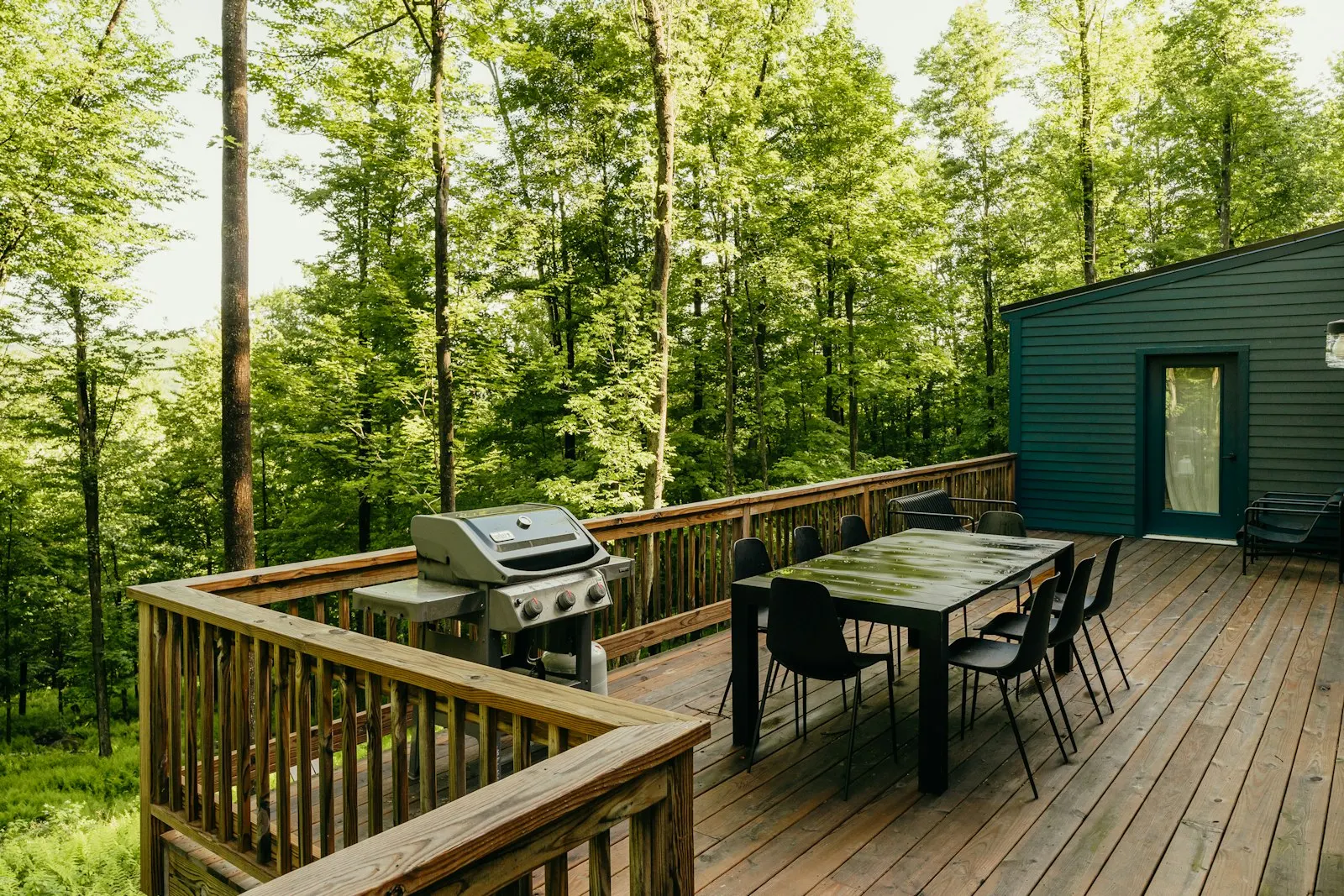
A timber deck is where summer happens. Barbecues, kids running in and out, a coffee in the morning sun, the dog stretched out on the warm boards. It is also one of the hardest-working structures around a house, exposed to sun, rain, frost and foot traffic all year. Over time boards crack and cup, screws work up, steps get loose and handrails start to wobble. Left too long, small problems turn into rot that spreads into joists and bearers.
We repair decks and pergolas across Berwick, Narre Warren and the City of Casey. Whether you have a small back step deck or a large raised entertaining area, we can replace damaged boards, make steps and rails safe, refix loose timber and get the deck ready for oiling.
Deck repairs we carry out
- Replacing rotten, split, cupped or broken decking boards
- Re-screwing loose boards and replacing rusted or popped fixings
- Repairing and rebuilding timber steps and stair treads
- Tightening and replacing wobbly handrails and balustrade posts
- Replacing damaged balusters and top rails
- Repairing fascia boards and deck edges
- Replacing small sections of rotten joists where accessible and non-structural
- Fixing deck boards near doors and thresholds where water collects
- Sanding rough areas, splinters and raised grain
- Preparing decks for oiling or staining
- Applying deck oil to repaired or small decks
- Installing small timber landings and steps
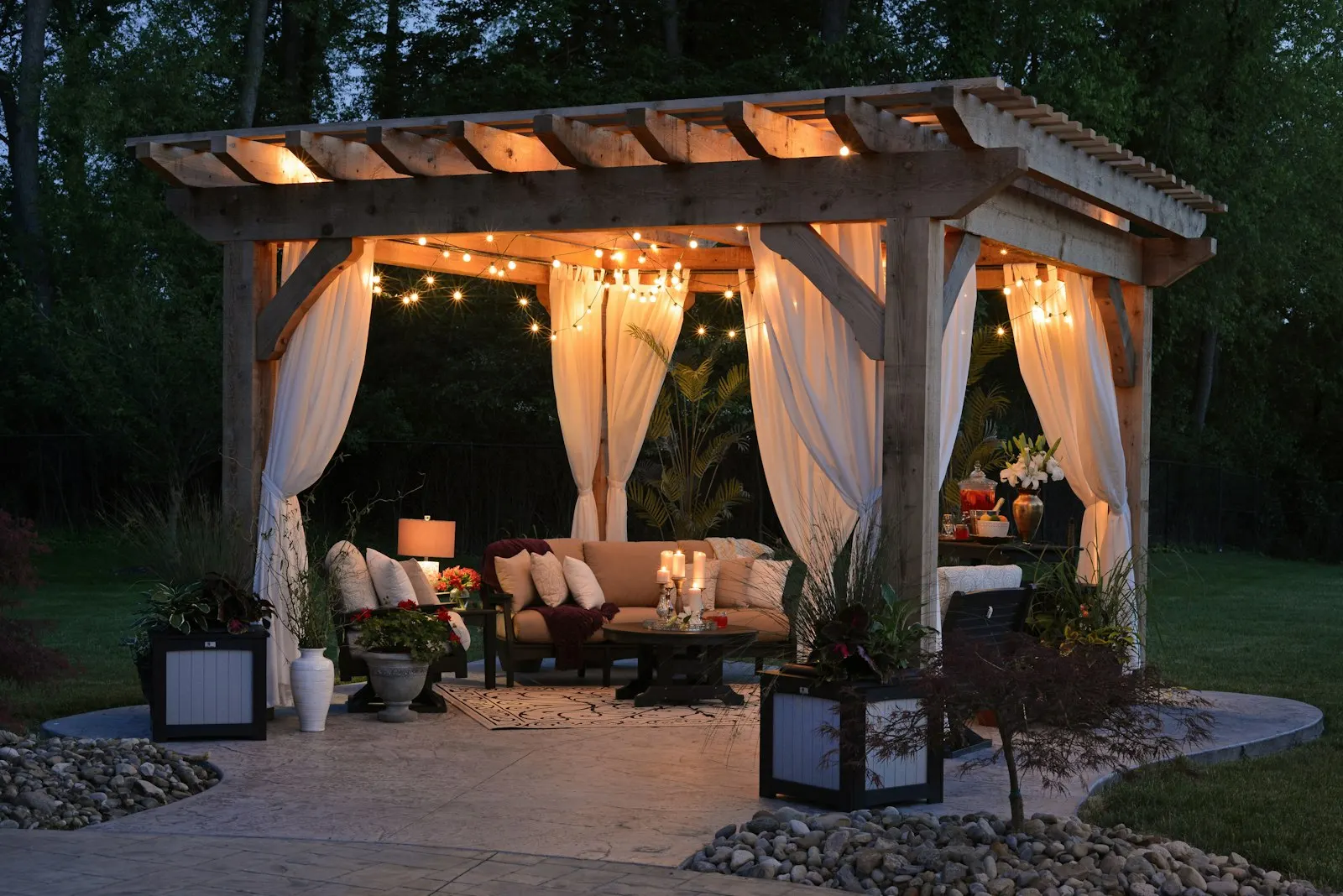
Pergola repairs
- Replacing damaged rafters, purlins and battens
- Refixing loose beams and brackets
- Replacing polycarbonate or similar roof sheets on small pergolas
- Fixing leaks at flashings and roof sheet overlaps on pergola roofs (single-storey, safely accessible)
- Replacing shade cloth and fixing shade sail hardware
- Treating and painting pergola timber
Why decks fail
Water
Water is the main enemy of timber decks. Boards that stay wet rot from the underside. Water pools where boards meet the house, at the bottom of steps and anywhere the gaps between boards are blocked with leaves. Joists and bearers under the deck can stay damp for long periods if ventilation is poor.
Sun
UV breaks down the surface of timber, turning it grey and causing checking and splitting. Without regular oiling, boards dry out and crack.
Fixings
Nails and screws can work loose as timber shrinks and swells. Older decks often used nails that pop up over time. Steel fixings near the coast or in treated timber can corrode.
Ground contact
Posts and bearers that sit too close to soil or in damp ground rot at the base. This is more common on older decks built on low stumps.
Safety first: steps and rails
Loose steps and handrails are the most important deck repairs, because they cause falls. A handrail that moves when you lean on it, a stair tread that rocks or a balustrade with missing balusters needs fixing soon. Balustrades on raised decks must meet minimum height and gap requirements under the building rules; we can repair and replace components to match, and we will flag any balustrade we think does not meet current standards. Major rebuilds or new raised decks above a certain height need a registered builder and possibly a building permit.
Repair or rebuild?
Often a deck that looks bad on the surface is sound underneath. Boards can be replaced, the surface sanded and oiled, and the deck looks new again. However, if the structure, the bearers, joists and posts, is rotten or sagging, replacing boards only hides the problem. We inspect underneath where we can get access and tell you plainly what we find. Structural rebuilds are work for a registered building practitioner, and we will say so if that is what your deck needs.
Matching timber
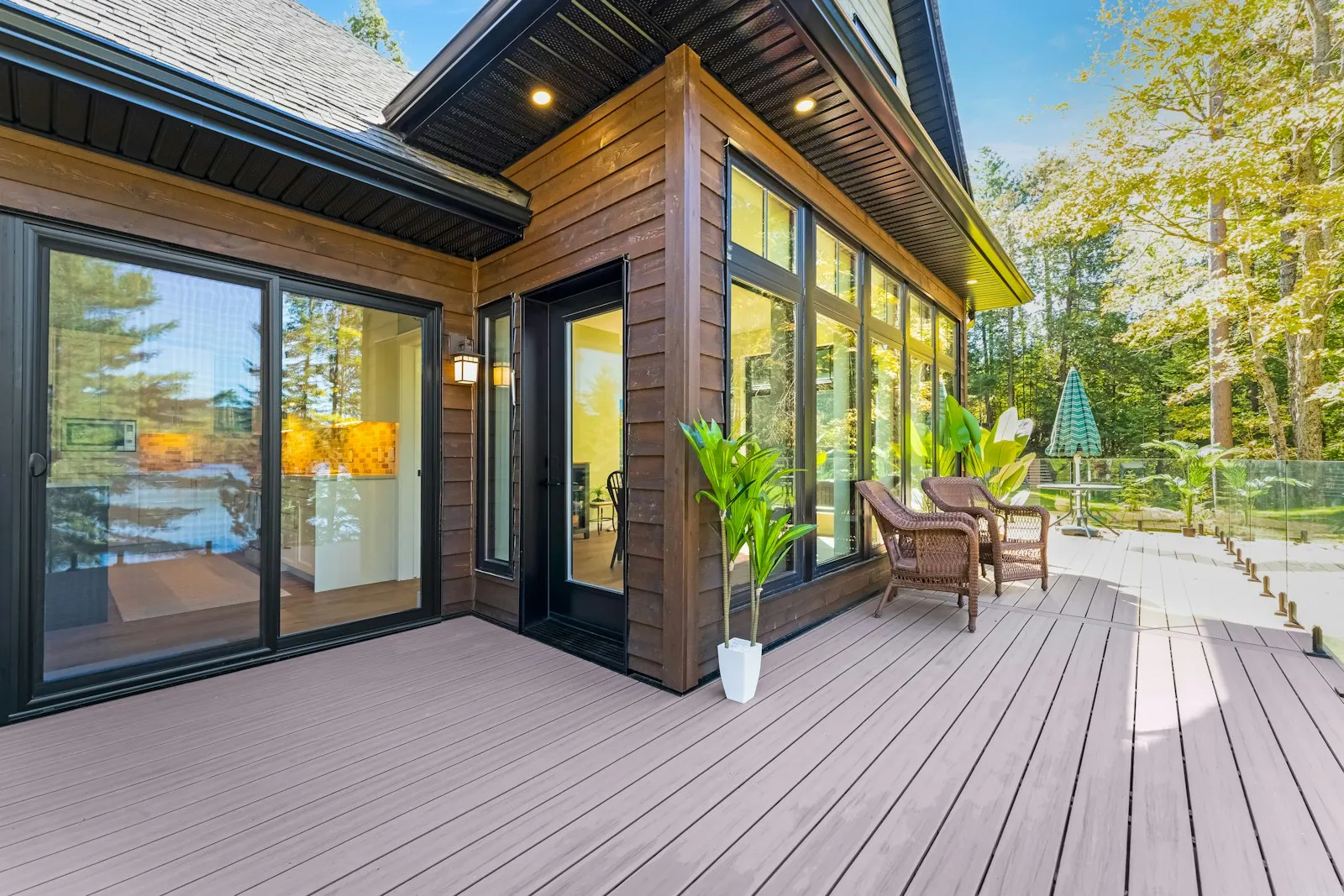
Decks in Casey are commonly merbau, treated pine, spotted gum or other hardwoods, and some composite. New boards will not perfectly match a weathered deck at first. Hardwoods weather to similar tones over time, and oiling the whole deck helps blend new and old boards. For composite decking, we try to source matching boards from the same range where they are still available.
Oiling and maintenance
A deck oil or stain applied regularly protects timber from UV and moisture. How often depends on sun exposure and use; north-facing decks in full sun need it more often. Before oiling, the deck should be cleaned, dried and any repairs done. We can wash, sand rough areas and apply oil to smaller decks after repairs. For pressure cleaning before oiling, see pressure washing.
Decks in Casey homes
Different suburbs have different deck styles. Older homes in Hampton Park, Hallam and Narre Warren often have treated pine decks built in the 1980s and 1990s, now showing their age. Berwick has a mix, from character homes with old timber verandahs to modern entertainment decks. Acreage properties in Harkaway and Narre Warren North often have large decks and verandahs with long runs of balustrade. Newer homes in Lynbrook, Lyndhurst and Narre Warren South often have alfresco areas with smaller decks or composite boards.
Verandahs on older homes
Weatherboard homes in Berwick and on older farms around Harkaway sometimes have timber verandah floors and posts. These are exposed and often in need of board replacement and post repairs. We can replace verandah boards, refix trims and repair posts where the work is non-structural.
What to send us
Photos of the whole deck, close-ups of damaged boards, steps and rails, and if possible a photo of the underside. A rough idea of the deck size and how high it is off the ground helps us plan.
Related services
Areas covered
Deck and pergola repairs across Berwick, Narre Warren, Narre Warren South, Narre Warren North, Narre Warren East, Hallam, Hampton Park, Lynbrook, Lyndhurst and Harkaway.
Deck boards near the house
The boards directly against the house wall and at the back door are often the first to fail. Water runs off the wall and down onto them, the door threshold traps moisture, and they are walked on the most. If the deck is fixed to the house, the ledger connection and flashing need to be sound so water does not get into the wall or the frame. We check this area closely and replace boards and flashings where needed.
Removing an old deck
Sometimes a small old deck is beyond saving, and you would rather have a paved area or garden there. We can dismantle small low-level decks and remove the timber. For large or elevated decks, demolition may need more equipment and is better quoted separately.
Composite decking repairs
Composite decking does not rot like timber, but boards can still crack, fade, warp from heat and come loose at the clips. Composite systems use specific hidden clips and end fixings, so repairs need matching parts. If your composite deck is moving, squeaking or has a cracked board, we can assess it and source replacement parts where available.
Getting the deck ready for summer
Spring is the best time to sort out a deck. The wet months reveal soft boards and loose steps, and fixing them before the warm weather means the deck is safe and looking good when you want to use it. A typical spring deck visit includes replacing damaged boards, re-screwing loose ones, tightening rails, a clean and, if you want, an oil coat. Book early, because spring is a busy time for outdoor work.
Squeaks, bounce and movement
A deck that squeaks or bounces underfoot usually has loose boards, shrunk timber at the fixings or joists that are too widely spaced for the boards. Re-screwing and adding blocking between joists can reduce movement. Significant bounce can point to undersized or damaged framing, which we will inspect and advise on.
Splinters, nails and trip hazards
On older decks, nail heads rise as timber shrinks, boards split at the ends, and grain lifts into splinters that catch bare feet. We punch down or replace raised fixings, sand splintered areas and replace boards where the ends have split badly. For families with young children who play barefoot, a quick going-over each spring makes the deck much more pleasant to use.
Shade sails and outdoor shade
Shade sails are popular over decks and play areas in Casey’s newer estates. The sail is only as safe as its fixing points, which carry high wind loads. We can replace worn sail hardware such as turnbuckles, shackles and eye plates, and retension sails. New shade sail posts or fixing to the house fascia may need engineering or a specialist, depending on the size, and we will advise.
Working around gardens and pets
Deck repairs often happen next to garden beds, lawns and pet areas. We protect plants where we can, keep offcuts and fixings contained so they do not end up in the lawn, and use a magnetic sweeper to pick up stray screws and nails before we leave. If you have dogs, let us know so we can keep gates closed and the work area safe.
Steps from the deck to the yard
Deck stairs take a lot of wear, and the bottom of the stringers often sits close to soil or on pavers that stay damp. We check stringers for rot at the base, replace treads and risers, and can set new stringers on a pad or bracket clear of the ground so they last longer. Even rise heights matter for safety, so when we rebuild a small set of steps we keep each step consistent.
Frequently asked questions
Can you replace just a few deck boards?
Yes. We replace rotten, split or damaged boards individually, matching the timber as closely as possible. Oiling the whole deck afterward helps new and old boards blend over time.
My deck handrail is loose. Can you fix it?
Yes. Loose handrails and balustrades are a safety issue, so we treat them as a priority. We refix or replace posts, rails and balusters and will tell you if the balustrade does not meet current requirements.
Do you rebuild decks?
We focus on repairs, boards, steps, rails and non-structural fixes. If the bearers, joists or posts are failing, a structural rebuild by a registered builder may be needed, and we will tell you plainly.
How often should a deck be oiled?
It depends on sun and use. Decks in full sun usually need oiling more often than shaded ones. Clean, dry timber with any repairs done first gives the best result.
Can you fix a leaking pergola roof?
On single-storey, safely accessible pergolas, we can replace damaged roof sheets, fix overlaps and resecure flashings. Large or high roofs may need a roofing specialist.
Get a free quote
Send us your list of jobs, your suburb and a few photos. We will reply with a clear written scope and a free, no-obligation quote.
Get a free quote