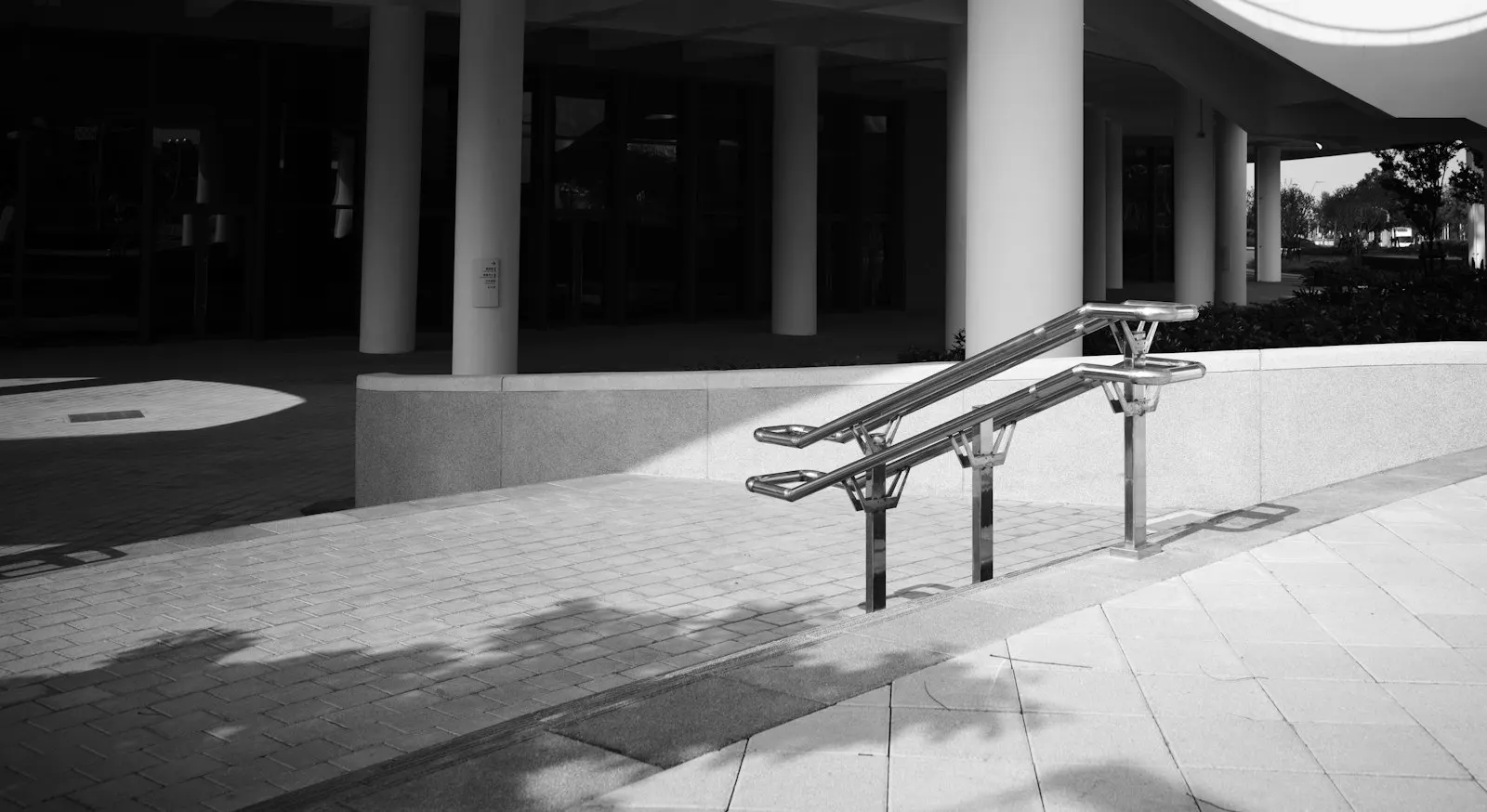
Falls at home are one of the biggest risks to independence as people get older, and bathrooms, steps and entries are where most of them happen. A well-placed grab rail beside the toilet, in the shower or at the front steps can make the difference between someone staying safely in their own home and needing to move. The same simple modifications help people recovering from surgery, living with disability or managing conditions that affect balance and strength.
We install grab rails, handrails and minor home modifications across Berwick, Narre Warren and the City of Casey. The focus is on secure fixing into solid structure, sensible positioning for the person who will use them, and neat, tidy work in the home.
Modifications we install
- Grab rails beside toilets, in showers and beside baths
- Fold-down and swing-away grab rails
- Handrails on internal and external steps
- Stair handrails along hallways and between levels
- Shower seats and fold-down shower stools (wall-mounted)
- Toilet surrounds and frames (non-plumbed)
- Small timber or modular ramps over thresholds and single steps
- Lever door handles to replace knobs
- Door stops, door closers adjusted for lighter operation
- Raised garden bed frames and outdoor handrails
- Anti-slip strips on steps and ramps
- Removing trip hazards: loose mats, lifting edges, small threshold strips
- Lowering or relocating hooks, rails and shelves
- Key safes installed beside doors (for carers’ access)
Fixing grab rails properly
A grab rail is a safety device. It must hold the full weight of a person pulling or leaning on it suddenly, sometimes at an angle. That means:
- Fixing into timber studs, noggings or masonry, never plasterboard alone
- Using fixings rated for the load and the wall material
- Adding timber backing inside the wall where studs are not in the right place, which may mean removing and replacing a section of wall lining
- Using rails designed for grab rail use, not towel rails, which are not built to take body weight
- Sealing fixings on tiled walls to keep water out
We find the structure first, mark positions with the user where possible, and test each rail once installed.
Positioning for the person, not the textbook
Australian Standards give guidance for accessible bathroom design, mostly written for public buildings. In a home, the best position depends on the person: their height, which side is stronger, whether they use a walking frame or wheelchair, and how they move from sitting to standing. An occupational therapist (OT) assessment is the best way to get positions right, and we are happy to work from an OT’s report or specifications. Where there is no OT report, we talk through how the person uses the space and position rails accordingly.
NDIS and My Aged Care
Many people access home modifications through the National Disability Insurance Scheme (NDIS) or government-funded aged care programs. These programs often require an OT assessment and quotes for the work. We can provide written quotes based on an OT’s recommendations. We do not guarantee funding approval; that is between you, your plan manager or provider and the program. For complex modifications, such as bathroom redesigns, widening doorways or larger ramps, a registered builder may be needed.
Shower and bath safety
The shower is the highest risk area. Options include a vertical rail near the entry to steady yourself stepping in, a horizontal or angled rail on the main wall, and a fold-down seat so the person can sit while showering. For baths, a rail on the wall beside the bath helps with getting in and out. Shower hoses on sliding rails and replacing taps with levers need a plumber; we install the rails and seating.
Toilet support
Getting up from a low toilet is hard for many people. A grab rail beside the toilet, a fold-down rail where there is no adjacent wall, or a freestanding toilet frame can help. Raised toilet seats are another simple aid.
Steps and entries
External steps without handrails are a common fall risk. We install handrails on one or both sides of front and back steps, using rails suited to outdoor use and fixed into masonry or posts. For a single step or threshold, a small ramp or threshold ramp can help for walkers and wheelchairs. Larger ramps may need design, permits and a builder.
Inside the home
Small changes inside the home add up:
- Lever handles instead of round knobs
- Night lights along the route to the bathroom (plug-in; hard-wired needs an electrician)
- Securing rugs and mats or removing them
- Handrails on short internal steps, such as into sunken lounges common in older homes
- Lowering clothes rails in wardrobes
- Moving frequently used shelves to reachable heights
Working respectfully in people’s homes
Many of our aged care and disability jobs are for people who have lived in their homes for decades. We work carefully, explain what we are doing, keep noise and dust to a minimum, and clean up thoroughly. Family members or carers are welcome to be present, and we are happy to liaise with them, OTs and support coordinators.
Homes in Casey
Older areas of Casey, such as parts of Hampton Park, Hallam, Narre Warren and Berwick, have many long-term residents ageing in place in homes built in the 1970s to 1990s. These homes often have steps at the front door, sunken lounges and narrow bathrooms. Acreage properties in Harkaway and Narre Warren North may have long paths, verandah steps and outbuildings where rails can help. Newer homes in Lynbrook and Lyndhurst tend to be single level, but may still need rails in bathrooms and at the garage step.
What we do not do
We do not carry out plumbing, electrical work or structural building work such as widening doors, removing walls or building large ramps. We do not provide OT assessments. We can coordinate with those professionals.
Related services
- Bathroom fixtures and accessories
- Door repairs and installation
- Carpentry
- Floor and skirting repairs
- General home repairs
Areas covered
Aged care and disability rails across Berwick, Narre Warren, Narre Warren South, Narre Warren North, Narre Warren East, Hallam, Hampton Park, Lynbrook, Lyndhurst and Harkaway.
Requesting a quote
Tell us who the modifications are for (no personal health details needed), what rooms are involved and whether there is an OT report. Photos of each area, such as the shower, toilet and steps, help us quote accurately. If you are a support coordinator or OT, you can send the specifications directly.
Temporary support after surgery
Hip and knee replacements and other surgeries often come with advice to have rails and aids in place before the patient comes home. Hospitals in the area, including Casey Hospital in Berwick, often provide discharge guidance. If you need rails installed before someone comes home, let us know the timing so we can plan.
Choosing rails
Grab rails come in stainless steel, powder-coated and plastic-coated finishes, in straight, angled and L-shaped configurations. Textured or knurled rails offer better grip with wet hands. Contrasting colours help people with low vision see the rail against the wall. We can supply rails or install ones provided by a supplier or your provider.
Tiled walls and grab rails
Most grab rails in bathrooms go on tiled walls. Drilling tiles cleanly and fixing into the structure behind is the core of the job. If there is no stud where the rail must go, we may need to access the wall from the other side, for example from a bedroom or hallway, to add a nogging, then patch and paint that side. We discuss this before starting so there are no surprises.
Bedrooms and living areas
Getting in and out of bed and up from a favourite chair can become difficult. While bed sticks and lifting aids are usually supplied by health equipment providers, we can fix wall-mounted rails beside a bed or chair, anchor furniture so it does not slide when leaned on, and raise the height of some beds and chairs with suitable risers supplied by an equipment provider.
Garages and carports
Many people enter the home through the garage, which often has one or two steps up into the laundry or hallway. These steps can be steep and dimly lit. A handrail beside the steps, anti-slip strips on the treads and a grab rail beside the door can make this daily route much safer.
Outdoor paths and gardens
Uneven paths, loose pavers and steps without rails in the garden can be hazards. We can level small paver areas, install outdoor handrails along paths or steps, and remove trip hazards such as lifted edging. For older gardeners, raised garden beds bring the garden to a comfortable height.
Reviewing a home for safety
If you are not sure what modifications would help, a walk-through of the home with the person, family or carer is a good starting point. We can point out obvious trip hazards and suggest rail positions, though for anything clinical or complex, an OT assessment is recommended.
Following up as needs change
Mobility needs often change over time. A single rail beside the toilet may be enough today, while a shower seat and extra rails may be needed next year. We keep notes of what was installed and where, so later additions fit with what is already there.
Rails for visitors and short stays
Sometimes rails are needed for a parent who visits regularly or for a short stay after illness, rather than for someone living in the home full time. Fold-down rails and freestanding toilet frames can be useful here, because they stay out of the way when not needed. We can suggest options that suit occasional use without changing the bathroom permanently.
Frequently asked questions
Can grab rails be installed on plasterboard walls?
Not on plasterboard alone. Grab rails must be fixed into studs, noggings or masonry. Where there is no structure in the right place, we add timber backing inside the wall.
Do I need an OT assessment?
It is recommended, and often required for NDIS or aged care funding. We can work from an OT’s specifications, or position rails based on how the person uses the space if there is no OT report.
Do you work with NDIS participants?
Yes. We can provide written quotes based on OT recommendations for NDIS participants and their plan managers or coordinators. Funding decisions are made by the NDIS and your plan manager, not by us.
Can you install a shower seat?
Yes. We install wall-mounted fold-down shower seats fixed into solid structure. Changes to plumbing, such as lever taps or hand-held showers, need a plumber.
How quickly can rails be installed before someone comes home from hospital?
Let us know the discharge date when requesting a quote, and we will do our best to schedule the work beforehand.
Get a free quote
Send us your list of jobs, your suburb and a few photos. We will reply with a clear written scope and a free, no-obligation quote.
Get a free quote