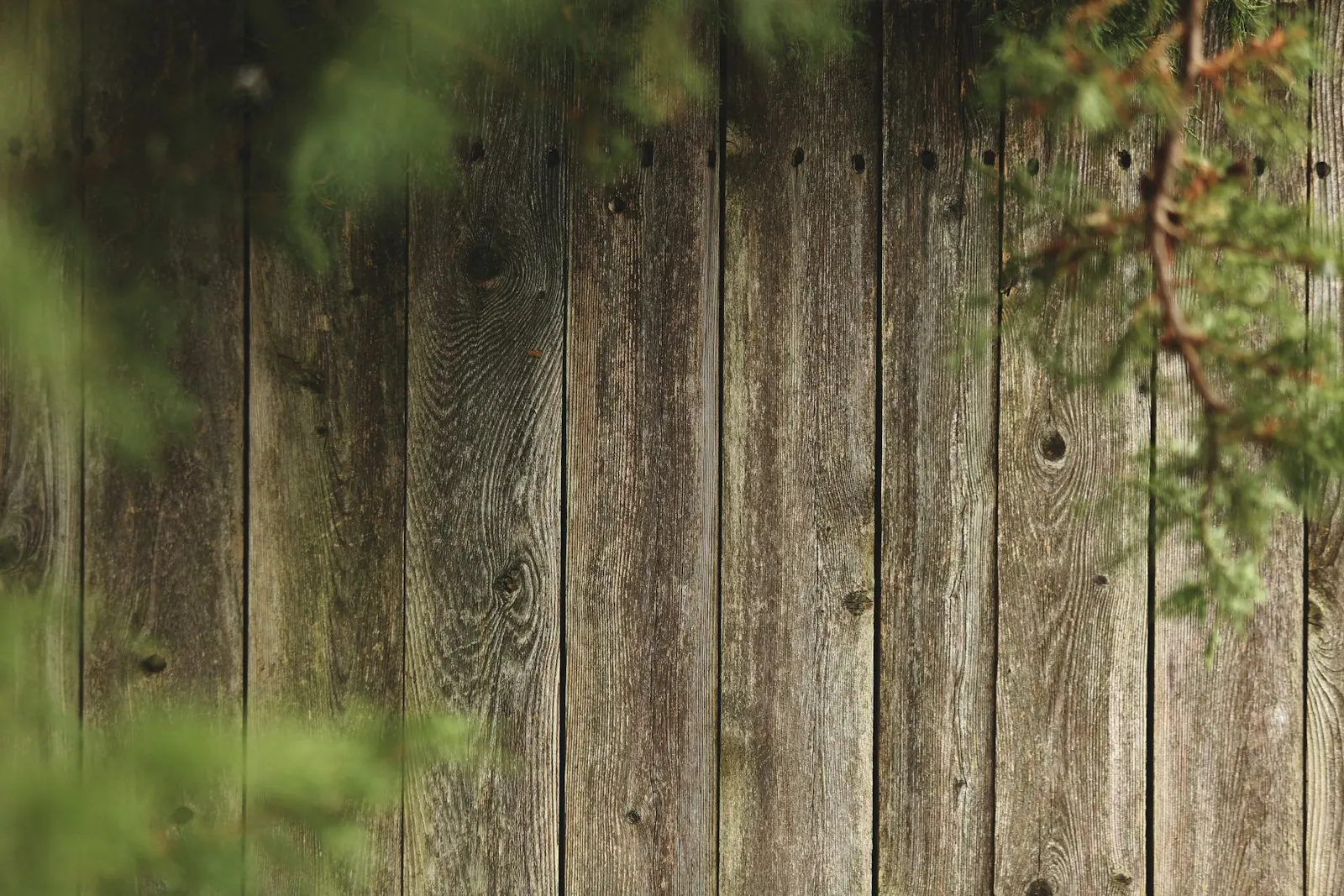
Timber paling fences are everywhere in the City of Casey, and many were put up when the houses were built. After 15 to 30 years, they start to lean, rattle and drop palings. The big question for most owners is whether a repair will do or whether the whole fence needs replacing. This guide walks through how to tell.
Start with the posts
Posts are the foundation of a fence. Most fence failures begin at ground level, where timber posts sit in soil or concrete and stay damp. Check each post:
- Push the fence. Does the post move at the base?
- Probe the timber just above and below ground with a screwdriver. Soft, crumbly timber means rot.
- Look for cracks where the post meets the concrete footing.
If only a few posts have failed, they can usually be replaced individually, or reinforced with a steel post support driven beside them. If most of the posts are rotten, replacement is usually the better long-term choice.
Check the rails
Rails run horizontally between posts and carry the palings. Look for:
- Rails split along their length
- Rails rotted where they join the posts
- Rails sagging between posts
Individual rails can be replaced without touching the rest of the fence. If rails are failing along the whole run, the timber is likely near the end of its life.
Look at the palings
Palings are the most visible part of the fence but usually the easiest to repair. Loose palings can be refixed with new galvanised nails or screws. Broken or missing palings can be replaced, although new timber will look different until it weathers. If palings are brittle, split and grey along the whole fence, they are telling you the fence is old.
Leaning fences
A fence that leans can sometimes be straightened by replacing or bracing the failed posts. A fence pushed over by tree roots, soil movement or retaining issues may need more work. If soil is built up against the fence on one side, the fence is acting as a retaining wall, which timber fences are not designed for; that needs a proper retaining solution.
Gates
Gates usually sag before the fence fails. Common fixes include tightening or replacing hinges, adding a diagonal brace, replacing the hinge post, and fitting a new latch. A gate that drags on the ground or will not latch is a security and pet-safety issue worth fixing early.
A simple rule of thumb
- Repair if fewer than about a third of the posts have failed, the rails are mostly sound and the palings are in reasonable condition.
- Replace if most posts are rotten, rails are failing across the run, and palings are brittle throughout.
Every fence is different, so treat this as a guide rather than a rule.
Dividing fences in Victoria
Most back and side fences are dividing fences shared with neighbours. Victoria’s Fences Act 1968 sets out how owners share the cost of dividing fences and the process for agreeing on work, including giving a fencing notice. Before major work, talk to your neighbour and, if needed, check the Victorian Government’s guidance on dividing fences. Repairs to your own side, such as refixing palings, are less formal, but it is courteous to let neighbours know.
Asbestos fences
Some older properties have fibre cement fences, which can contain asbestos. Do not cut, drill or break these. A licensed professional should test and handle them.
How we can help
We repair timber fences and gates across Berwick and the surrounding suburbs: replacing posts and rails, refixing and replacing palings, and repairing gates. If replacement is the better option, we will tell you. See fence repairs and gates or get a free quote.
Get a free quote
Send us your list of jobs, your suburb and a few photos. We will reply with a clear written scope and a free, no-obligation quote.
Get a free quote