A door that does not work properly is a small daily irritation that adds up. It drags on the carpet, it needs a shoulder to close, it will not latch so it swings open in the breeze, or the handle has come loose and spins without opening anything. Sometimes it is worse: a punched-through hollow-core door, a split frame after a forced entry, or a sliding door that has jumped its track.
Door repairs are one of the most common requests we get in Berwick, Narre Warren and the surrounding suburbs. Most can be fixed in under an hour once the cause is clear, and where a door is beyond repair, we can supply and hang a replacement so it fits the opening properly.
Door problems we fix
- Doors that stick, bind or rub at the top, side or floor
- Doors that will not latch or keep swinging open
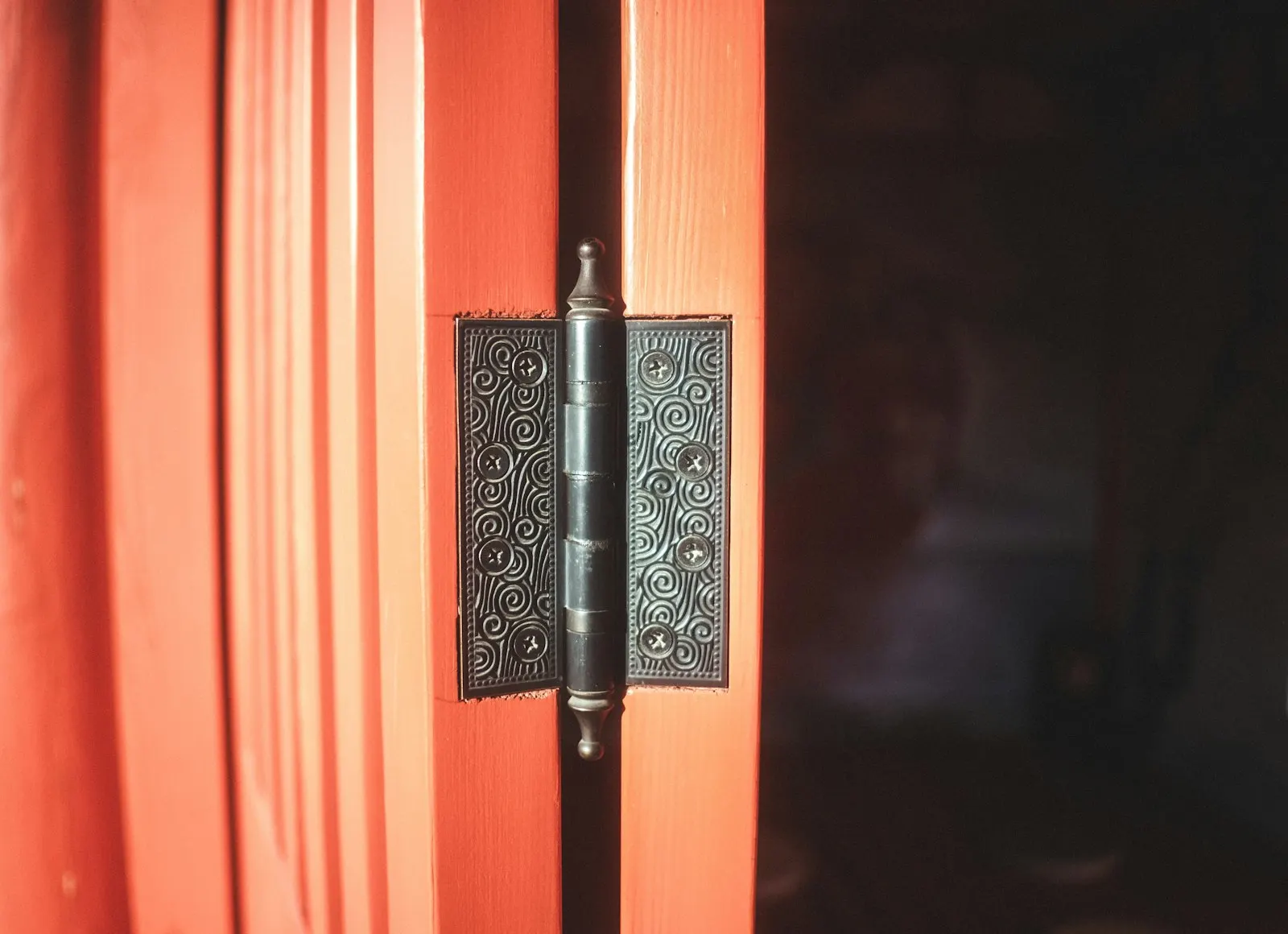
- Dropped doors where the hinges have loosened or screws have stripped
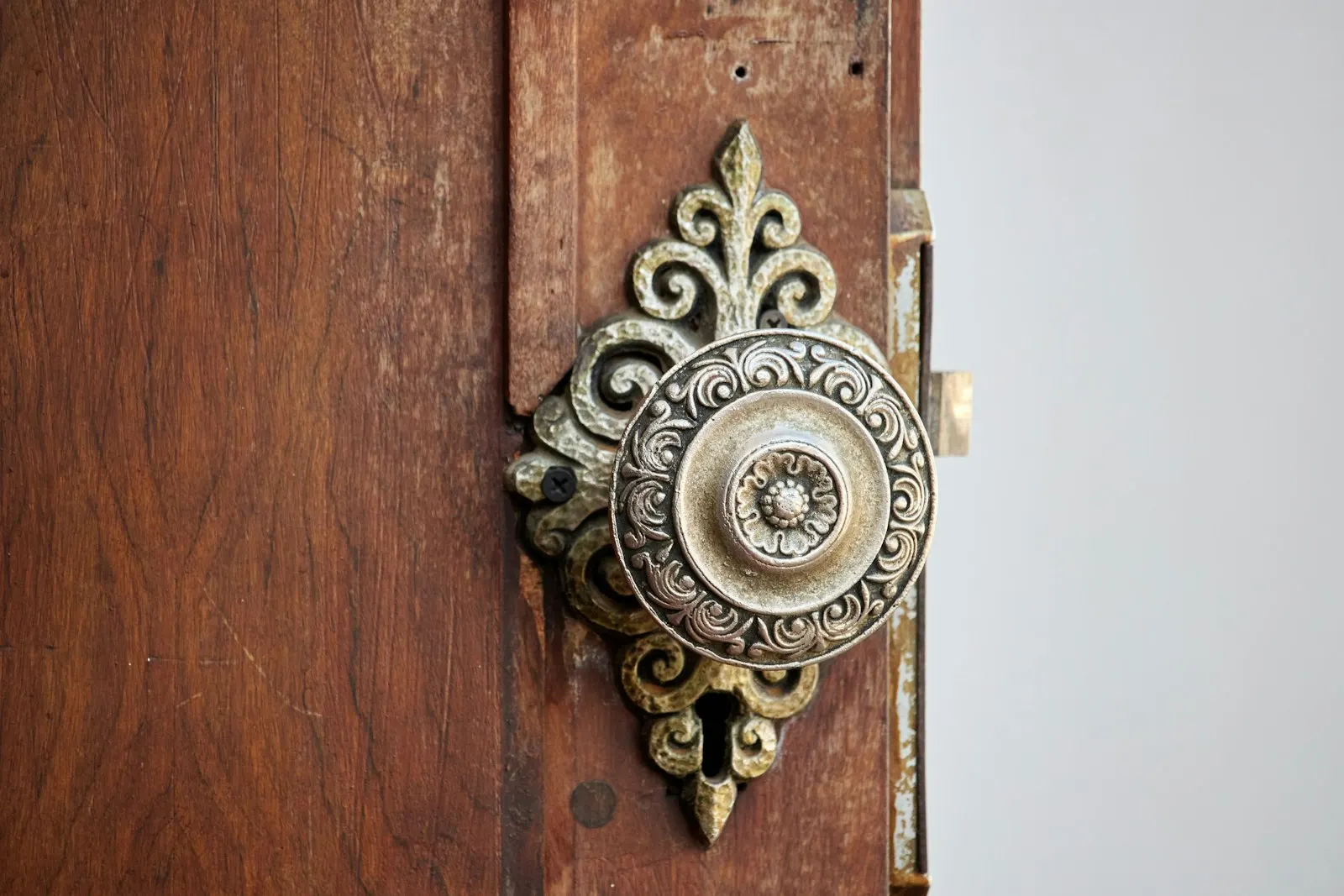
- Loose, broken or worn handles, latches, privacy sets and locks
- Hollow-core doors with holes, dents or split skins
- Cracked or split door jambs and architraves
- Sliding robe doors that jump the track or run rough
- Cavity sliding doors that stick, derail or have broken hardware
- External doors with failed weather seals or gaps letting in drafts and light
- Screen and security door adjustments, closers and catches (non-structural)
- Door stops, buffers and wall protectors missing or broken
- Pet door installation in timber and hollow-core doors
Why doors stop working
Understanding the cause matters, because the wrong fix just moves the problem.
Loose hinges
The most common cause by far. Hinge screws work loose over years of use, especially the top hinge, which carries the most load. The door drops slightly at the latch side, rubs on the head of the frame, and the latch no longer lines up. Often the screw holes are stripped, so tightening the screws does nothing. The fix is to pack or plug the holes and use longer screws that bite into the stud behind the jamb.
Swelling from moisture
Timber doors and the edges of hollow-core doors absorb moisture, particularly in bathrooms, laundries and on external doors facing weather. They can swell enough to stick in winter and then seem fine in summer. Planing a swollen edge without sealing it afterward means the problem comes back, so we seal any cut edge.
Frame movement
Houses move. New homes settle in their first few years, and in parts of Casey with reactive clay soils, frames shift seasonally. A door can go from perfect to binding because the frame has racked slightly out of square. In these cases we adjust the door to the frame as it now sits.
Worn hardware
Latches wear out, springs inside handles break, and strike plates get bent. Replacing hardware is usually straightforward, but matching finishes and backsets matters so it looks right and works smoothly.
Hanging new doors
When a door is too damaged or warped to fix, replacement is the better option. Hanging a door properly is a carpentry job, not just a swap.
Measuring and choosing
We measure the opening, the existing door and the hinge and latch positions. Standard internal doors in most Casey homes are a common height and width, but older homes near the Berwick village and some custom builds use non-standard sizes. We can source a door to suit or trim a standard door to fit.
Fitting
A new door is trimmed to give even gaps around the sides and head, with a sensible clearance at the floor for the floor covering. Hinge recesses are cut cleanly, the latch is bored and fitted, and the strike plate is positioned so the door closes with a gentle push and holds firmly.
Finishing
New doors usually need painting. We can prime and paint, or hand over the hung door ready for your painter. Any cut edges are sealed so the door does not absorb moisture.
Sliding and cavity doors
Sliding doors have their own issues. Built-in robe doors often have bottom rollers that wear or tracks full of dust and debris. Cavity sliders, which disappear into the wall, can be frustrating because the hardware is hidden. Common problems include doors falling off the track, rollers seizing, and the door dragging on the floor guide. Many cavity door problems can be fixed by adjusting or replacing the top rollers, which we access by removing the door. Where a cavity unit itself is damaged inside the wall, we will explain the options.
Aluminium patio sliding doors are also common in Casey homes. Rough running is often caused by worn rollers or dirty tracks. We can clean, adjust and in many cases replace rollers, depending on the door model.
External doors and security
Front and back doors take more wear and weather than internal doors. We fix sticking, re-seal edges, replace weather strips and door bottoms, and adjust latches and deadlocks so they line up. We can fit new handle sets and deadbolts where the door is suitable. If you need restricted key systems or master-keyed locks, a locksmith is the right call.
After a break-in, damaged frames and doors are common. We can repair split jambs, replace strike areas with reinforcement, and re-hang or replace doors. For insurance claims, we can provide photos and a written description of the work.
Door repairs in different home styles
Berwick period and mid-century homes
Older homes around High Street and the older parts of Berwick may have solid timber panel doors, often with multiple layers of paint. These are worth saving. We ease them carefully, rebuild worn hinge areas and refit hardware that matches the period style where possible.
1980s–1990s brick veneer
Most homes in Hampton Park, Hallam, Narre Warren and Narre Warren South from this era have hollow-core internal doors and aluminium sliders. Punched-through skins and failed latches are common. Replacement doors are often the fastest fix.
Newer estate homes
In Lynbrook, Lyndhurst and newer parts of Berwick, doors often start sticking a few years in as the house settles. Adjustment rather than replacement is usually enough.
What to send us for a quote
For door repairs, photos really help. Send a full photo of the door closed, a close-up of the gap at the top and latch side, and a photo of the hinges and handle. If the door is to be replaced, add the measurements of the existing door: height, width and thickness. Let us know if the door has a closer, a lock you want reused, or anything unusual.
Related services
- Carpentry
- Window and flyscreen repairs
- Painting touch-ups
- General home repairs
- Plaster and wall patching for handle holes in walls
Service area
We repair and install doors across Berwick, Narre Warren, Narre Warren South, Hallam, Hampton Park, Lynbrook, Lyndhurst, Harkaway, Narre Warren North and Narre Warren East.
The small details that matter
A good door repair is one you stop noticing. The gaps are even, the latch catches with a light push, it does not rattle in the wind, and the handle feels solid. We check each door through several open and close cycles before we finish, and we leave the area clean.
Choosing replacement door hardware
If your handles are worn or mismatched, replacing hardware is a quick way to lift a whole hallway. A few points worth knowing before you choose:
- Backset: the distance from the door edge to the centre of the handle. Most modern latches use one of two common backsets. Matching the existing one avoids drilling new holes.
- Function: passage sets for living areas, privacy sets with a turn snib for bathrooms and bedrooms, and dummy sets for robes and linen cupboards.
- Lever or knob: levers are easier for children, older people and anyone with sore hands. Knobs suit some period homes.
- Finish: brushed nickel, matte black and satin chrome are common. If you want one finish throughout, we can replace them all in one visit.
- Rose size: a larger rose can cover old holes or marks left by a previous handle.
We can fit hardware you have bought, or advise on what to buy before the visit.
Door stops and wall protection
A missing door stop is how most handle holes in plasterboard start. Every swinging door should have something to stop it hitting the wall: a skirting-mounted stop, a floor stop, a hinge-pin stop or a wall-mounted buffer. They are cheap and quick to fit. If you already have a hole, we can patch it and fit a stop in the same visit so it does not happen again. See our plaster patching service for the repair side.
Doors for accessibility
As needs change, doors can become obstacles. Lever handles, wider clearances, removing thresholds where practical, and adding door closers set to a gentle close all help. For homes adapting for an older family member or someone with limited mobility, see our aged care and disability rails page, which covers grab rails and related changes. Larger alterations such as widening door openings involve structural framing and need a builder.
Garage access doors and laundry doors
The internal door from the garage into the house and the laundry door to the yard are two of the hardest-working doors in most Casey homes. They are opened with full hands, kicked shut, and exposed to temperature swings and moisture. They also often have self-closers or need to seal well against draughts and dust from the garage. We regularly re-hang, re-seal and adjust these doors, replace worn closers, and fit draught seals and door bottoms to keep garage fumes and dust out of the house.
When a door keeps coming back to the same problem
Sometimes a door has been planed several times and still sticks every winter. That usually means the real cause has not been addressed: an unsealed edge absorbing moisture, a frame moving with the soil, or hinges that were never secured into solid timber. We look at the history of the door, not just the symptom, and fix the cause so you are not calling someone back each year.
Frequently asked questions
Can you fix a door that will not close properly?
Yes. Most doors that will not close are caused by loose hinges, a swollen edge or a frame that has moved. We find the cause, then adjust, pack, plane or reset the hardware so it closes and latches properly.
Can you replace a hollow-core door with a hole in it?
Yes. We can supply and hang a replacement door trimmed to fit your frame, cut in the hinges and latch, and either paint it or leave it primed for your painter.
Do you fix sliding robe and cavity doors?
Yes. We repair tracks, rollers and guides on robe doors and cavity sliders. Many cavity door issues come down to the top rollers, which can be adjusted or replaced.
Can you install new locks?
We can fit standard handle sets and deadbolts on suitable doors. For restricted key systems, master keying or commercial access control, a locksmith is the right trade.
Do you repair doors after a break-in?
Yes. We repair split jambs and damaged doors, reinforce strike areas and re-hang or replace doors. We can provide photos and a written description of the work for insurance.
Get a free quote
Send us your list of jobs, your suburb and a few photos. We will reply with a clear written scope and a free, no-obligation quote.
Get a free quote