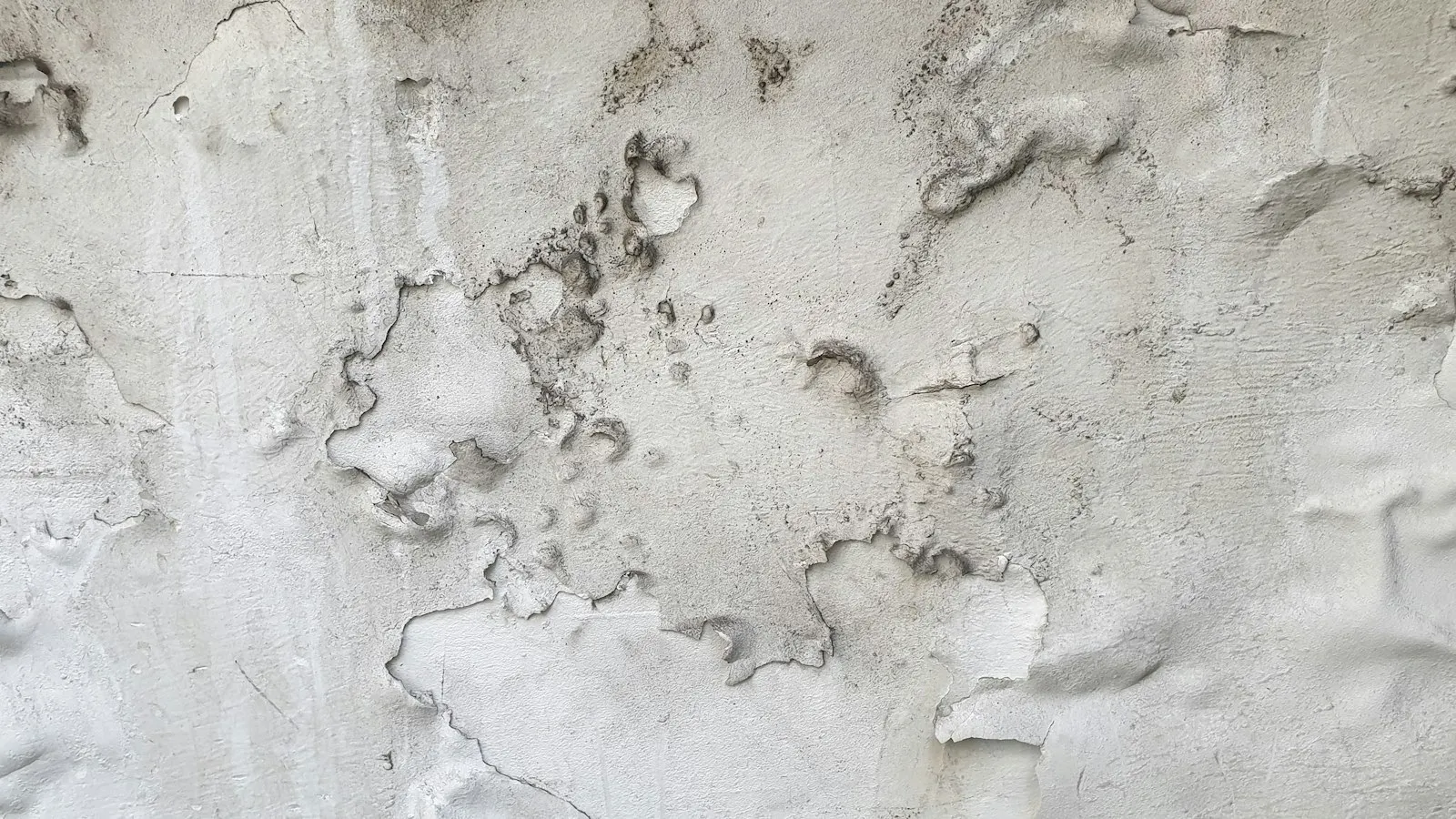
Walls take a beating. A door handle swings through the plaster in the hallway. A teenager moves out and leaves a constellation of picture hooks and Blu Tack stains behind. A TV bracket comes off and leaves four ragged holes. A crack opens above a doorway after a dry summer. Water from a leaking shower leaves a bubbled, stained section that needs to be cut out. None of it is dramatic, but all of it makes a room look tired.
Plaster repairs are one of the most requested jobs in Berwick and the surrounding suburbs. Done well, a patched wall disappears once it is painted. Done badly, every patch shows as a bump, a ring or a shadow when the light hits it from the side. The difference is in preparation, the right compound for the job, patience between coats and careful sanding.
Plaster repairs we handle
- Door handle holes and impact damage in plasterboard
- Small and medium holes from fixings, brackets, anchors and removed fittings
- Large holes needing a new section of plasterboard
- Cracks at plasterboard joints, corners and above doors and windows
- Nail pops where fixings have pushed through the surface
- Damaged external corners and corner beads
- Water-damaged sections after a leak has been fixed by a plumber
- Cornice cracks and small cornice joint repairs
- Patching after electricians or plumbers have cut access holes
- Filling and smoothing wall damage before repainting
- Older hard plaster repairs in period homes, within practical limits
How we repair a plaster hole
Small holes
Holes from screws, nails and wall plugs are filled with a fine compound in two thin coats, then sanded flush. The key is not overfilling. A slightly concave first coat followed by a skim gives a flatter result than one thick blob that needs heavy sanding.
Medium holes
Door handle holes and bracket damage up to about the size of a fist usually get a backing, then a patch, then two or three coats of compound feathered wide. Feathering out well past the edge of the patch is what makes it invisible.
Large holes
Larger damage is cut back to a neat square or rectangle. If there is a stud nearby, the new piece is fixed to it; if not, we add timber backing inside the wall. A matching thickness of plasterboard is cut and fixed in, the joints are taped, and then the area is set in multiple coats like a new wall joint.
Cracks
Cracks are not all the same. Hairline cracks along joints can usually be raked out, taped and set. Cracks that open and close with the seasons, common in parts of Casey with reactive clay soils, may need a flexible approach so they do not reappear straight away. Diagonal cracks spreading from the corners of doors and windows can indicate movement; we repair the plaster and let you know if the pattern suggests the house should be looked at by a builder or engineer.
Getting an invisible finish
The patch is only half the job. To get a finish that disappears under paint:
- Each coat dries fully before the next goes on
- Compound is feathered well past the damaged area
- Sanding uses fine abrasives and a light hand, checked with a raking light
- The patched area is primed or sealed before topcoats, so it does not flash through as a dull or shiny spot
- Texture is matched where the wall has a roller texture, rather than leaving a perfectly smooth patch on a textured wall
Because compound needs time to dry, larger repairs sometimes take two short visits: one to patch and first-coat, and another to finish and prime. Smaller repairs can usually be finished in one day.
Painting after plaster repairs
We can prime the patch and apply touch-up paint if you have the original tin. Touching up a section works best on flat and low-sheen paints when the original paint is not too old. On semi-gloss, older paint or strongly lit walls, a touch-up may still show, and repainting the wall corner to corner gives the best result. We will tell you which approach suits your wall. See painting touch-ups.
Water-damaged plaster
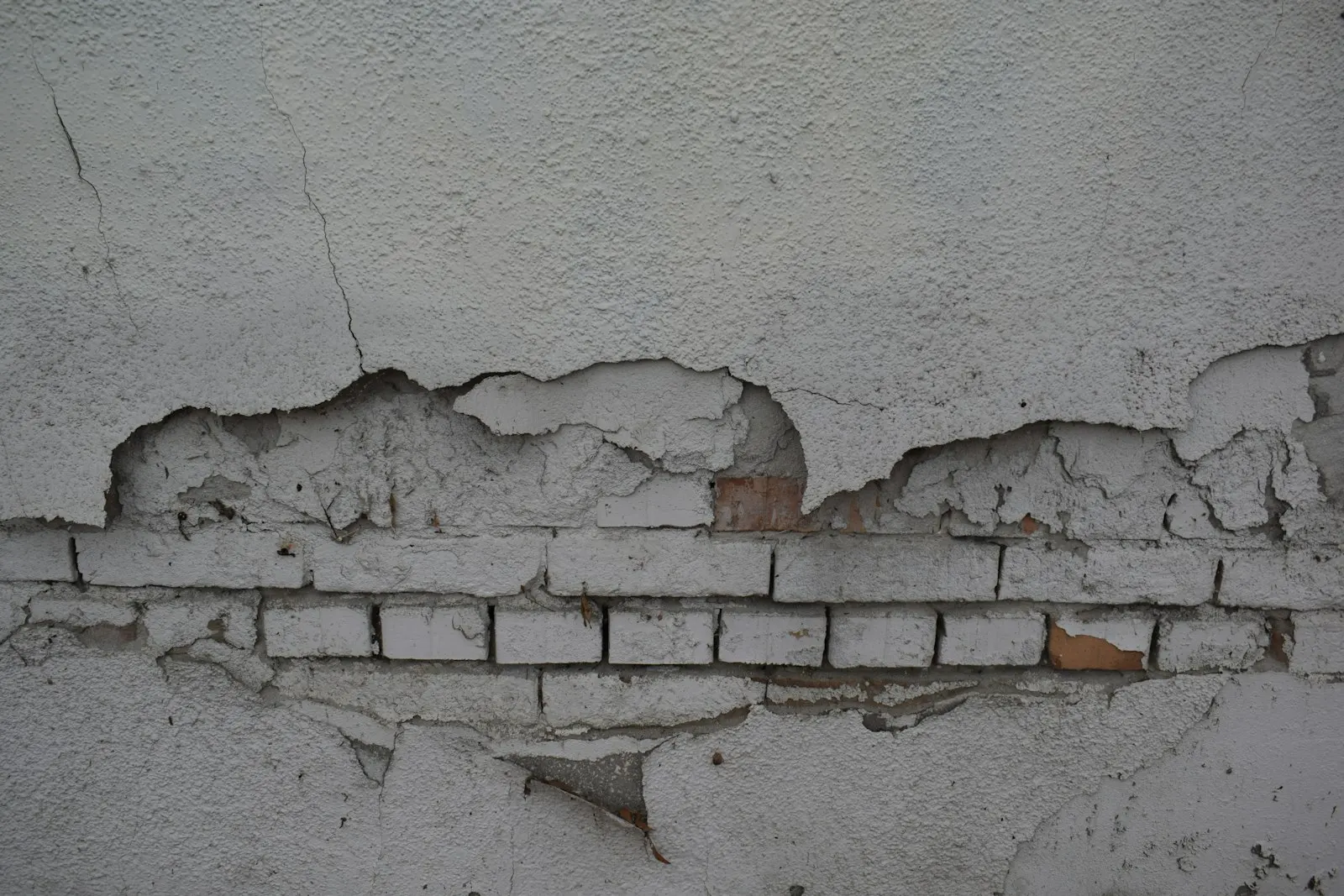
Water damage needs the cause fixed first. Once a plumber or roofer has stopped the leak, we cut out any plasterboard that has softened, crumbled or grown mould, let the cavity dry, replace the section and finish it. Ceiling water damage is similar, but we take extra care with ceiling work and will advise if a large area needs a plasterer with a crew.
Plaster in older Berwick homes
Some older houses near Berwick’s High Street and older properties in Narre Warren North and Harkaway have hard plaster or early fibrous plaster rather than modern plasterboard. These materials behave differently. Hard plaster can crack and come away from its backing in sections; fibrous plaster sheets have their own joint style. Small repairs are achievable, but large areas of failing hard plaster are a specialist job.
Some older homes also have fibre cement sheeting in eaves, wet areas or external walls that may contain asbestos. If we suspect it, we stop and recommend testing before any cutting or sanding. That is non-negotiable for your health and ours.
Preparing for a plaster repair visit
- Clear furniture from the wall, or let us know if something heavy needs moving
- Take down pictures and shelves near the repair
- Tell us whether the wall is going to be fully repainted or just touched up
- Leave out the original paint tin if you have one
- Let us know of any electrical wiring or pipes you know run through the wall
We use drop sheets and dust control, and vacuum and wipe down at the end. Sanding plaster does produce fine dust, so we keep it contained and clean thoroughly.
Plaster repairs for rentals and sale preparation
Before a property goes on the market or a new tenant moves in, walls are one of the first things people notice. Patching holes, filling cracks and getting walls paint-ready is often the best-value preparation you can do. Agents across Casey regularly want this done quickly between tenancies. See end-of-lease and rental repairs.
Why plaster patches fail
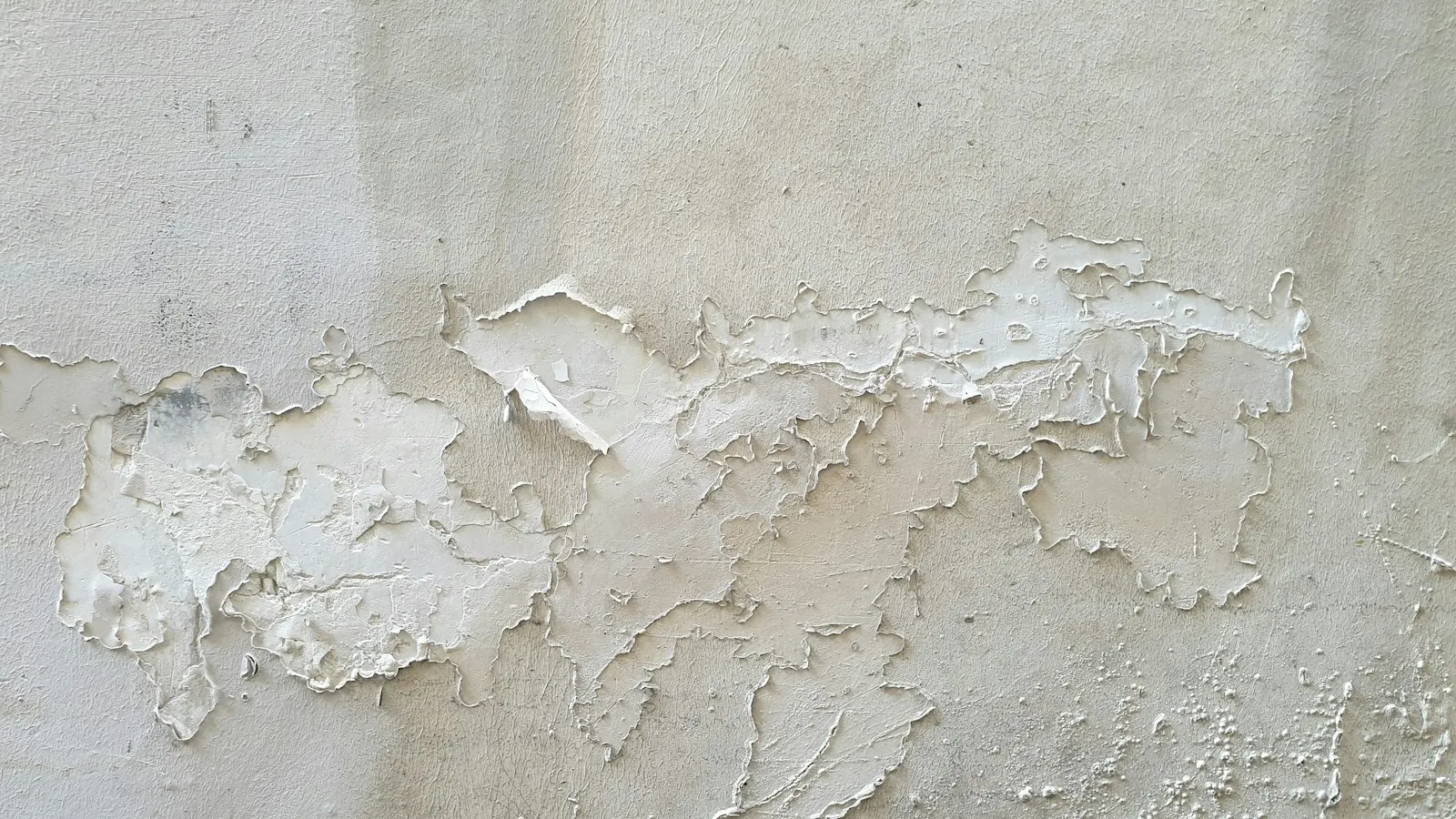
When you can see a patch on a wall, it is usually one of these:
- The compound was applied in one thick coat that shrank
- It was not feathered wide enough, leaving a visible edge
- The patch was not primed, so the paint looks different over it
- The wall was textured and the patch was smooth, or the other way round
- The patch was over a moving crack and opened again
We avoid these by working in thin coats, feathering wide, priming and matching texture.
What we do not do
We are not a full plastering crew. New plasterboard walls through a whole room, full ceiling replacements, decorative cornice installations and large-scale rendering are better done by specialist plasterers. We focus on repairs, patches and small sections, and we do those well. If your job is bigger, we will tell you.
Related services
- Painting touch-ups
- Picture and shelf hanging
- TV wall mounting
- Door repairs and installation
- End-of-lease and rental repairs
Areas covered
We repair plaster across Berwick, Narre Warren, Narre Warren South, Narre Warren North, Narre Warren East, Hallam, Hampton Park, Lynbrook, Lyndhurst and Harkaway.
Photos that help us quote
Send a photo of the damage from about a metre away, a close-up with something for scale such as a coin or tape measure, and a wider photo of the whole wall so we can see the finish and lighting. If there are several patches, number them in the photos so the quote can list each one.
Fixing the cause, not just the hole
Many plaster repairs keep happening because the cause is still there. A door without a stop will punch through again. A towel rail fixed only into plasterboard will pull out again. A crack over a doorway may keep coming back if the frame is moving. As well as repairing the plaster, we fit stops, use proper anchors or add timber backing, and explain any movement we see. That way you pay for the repair once.
Patching after removing fittings
When people renovate or redecorate, old fittings come off walls and leave damage behind: towel rails, toilet roll holders, curtain rods, mirrors, old intercoms, phone points, gas heater flues and wall-mounted heaters. Each leaves its own kind of hole. Plastic wall plugs often pull out with chunks of plaster attached. Toggle anchors leave a larger hole than you would expect. Heater and flue removal can leave a significant section to make good. We remove the remains of old fixings cleanly, fill or patch to suit, and leave a flat wall ready for paint or for the new fitting to go in.
Ceiling repairs
Ceilings get damaged too: a foot through the ceiling from someone in the roof space, a downlight hole that is no longer needed, a crack along a ceiling joint, a sagging section after a leak. Small ceiling patches follow the same approach as walls, with extra care because ceiling work is overhead and every imperfection shows under downlights. If a ceiling is sagging widely, that needs a plasterer or builder to assess.
Plaster repairs and wet areas
Bathrooms, laundries and toilets use water-resistant plasterboard behind and around wet zones, and repairs there need matching materials. A standard plasterboard patch in a wet area can soften and fail over time. Where damage is near a shower or bath, we use moisture-resistant board and compounds suited to the area, and we check the silicone and grout nearby, because failed seals are often what caused the damage in the first place. If tiles need to come off to reach the damage, see our tiling and regrouting service.
Frequently asked questions
Can you make a plaster patch invisible?
In most cases, yes, once it is painted. We work in thin coats, feather wide, sand carefully under a raking light, match any texture and prime the patch so paint finishes evenly.
How long does a plaster repair take?
Small holes can usually be filled, sanded and primed in one visit. Larger holes or new sections may need a second short visit because compound must dry fully between coats.
Do you paint after patching?
We can prime and touch up with your existing paint. On some finishes a touch-up will still show, and painting the whole wall gives the best result. We will advise which suits your wall.
Can you fix cracks that keep coming back?
We can repair them using methods suited to moving cracks, but some cracks return if the house is still moving. If a crack pattern suggests structural movement, we will recommend a builder or engineer.
What if my walls might contain asbestos?
If we suspect asbestos, we stop and recommend testing before any cutting or sanding. This mostly applies to older fibre cement sheeting in eaves, wet areas and some older homes.
Get a free quote
Send us your list of jobs, your suburb and a few photos. We will reply with a clear written scope and a free, no-obligation quote.
Get a free quote