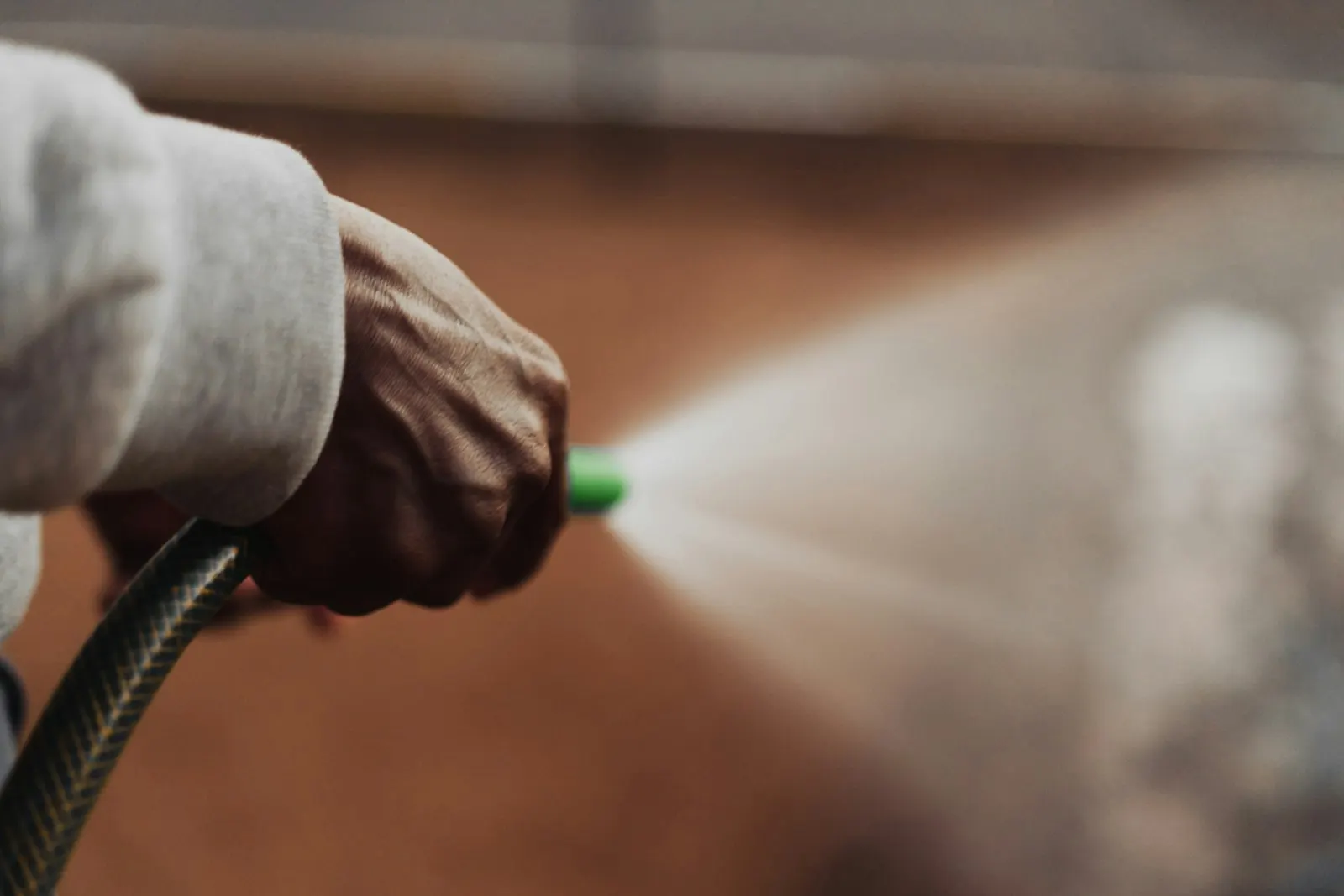
Outdoor surfaces slowly darken with grime. Driveways pick up tyre marks and oil, paths go green in the shady side of the house, decks turn grey and slippery, and the patio picks up a film of dirt and moss over winter. You stop noticing it until you see a freshly cleaned section next to an untouched one, and the difference is startling.
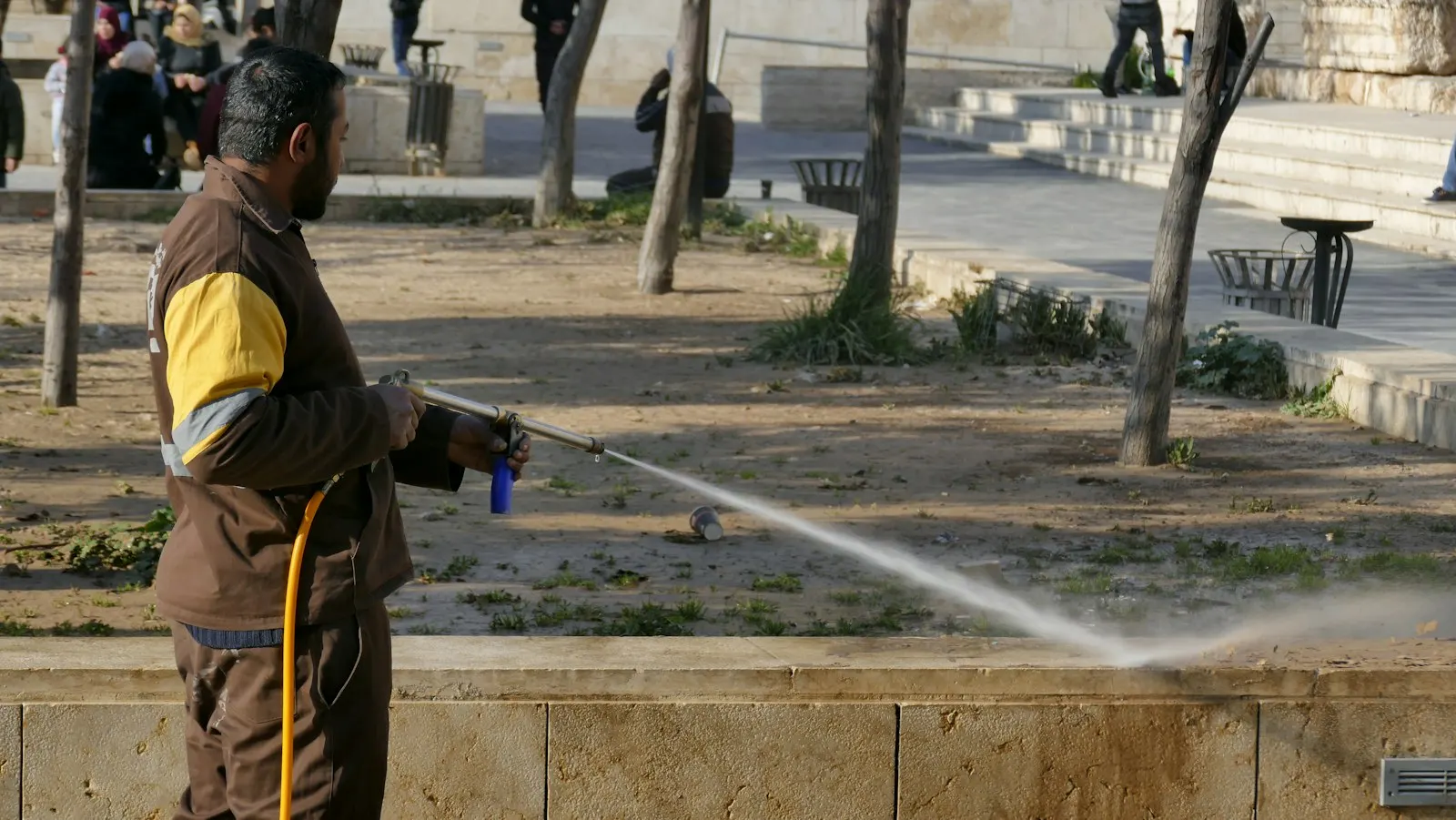
We pressure wash driveways, paths, patios, decks, fences and other outdoor surfaces across Berwick, Narre Warren and the City of Casey. The goal is a clean, safe surface without damage, which means using the right pressure, nozzle and technique for each material rather than blasting everything at full power.
Surfaces we clean
- Concrete driveways and paths, plain and coloured
- Exposed aggregate concrete
- Brick and concrete pavers
- Natural stone paving and steps (with care)
- Timber decks and boardwalks
- Composite decking
- Patios and alfresco areas
- Timber and Colorbond fences
- Retaining walls and garden edging
- Outdoor furniture and bins
- Pool surrounds (non-chemical cleaning)
- Weatherboard and brick walls (low pressure washdowns)
- Garage floors and carport slabs
Why pressure wash
Safety
Mould, moss, algae and slime make paths, steps and decks slippery, especially in shaded areas over the wet months. Cleaning them reduces slip risk for family members, guests, visitors and tradespeople.
Presentation
Clean driveways and paths make a house look cared for. Before selling, leasing or hosting an event, pressure washing is one of the most visible improvements you can make in a short time.
Preparation
Decks need to be clean before oiling. Fences need cleaning before staining. Paving needs cleaning before resealing. Pressure washing is often the first step of a bigger job.
Maintenance
Removing organic growth regularly slows damage to surfaces. Moss and algae hold moisture and can break down grout, mortar and timber over time.
The right pressure for the surface
More pressure is not always better. Too much pressure can etch concrete, strip the top layer of timber, raise grain, blow out sand between pavers, damage mortar and strip paint. We adjust pressure and use different nozzles and surface cleaners depending on the material:
- Concrete: higher pressure with a rotary surface cleaner for even results without striping
- Exposed aggregate: moderate pressure to avoid loosening stones
- Pavers: moderate pressure, then re-sand joints if needed
- Timber decks: low pressure with a fan nozzle along the grain, to clean without furring the timber
- Composite: low pressure, following the manufacturer’s guidance
- Walls and painted surfaces: low pressure washdown, testing first
Stains we can and cannot shift
Pressure washing removes dirt, grime, moss, mould, algae and many surface stains. Some stains go deeper:
- Oil and grease on concrete can be reduced but may leave a shadow
- Rust stains from fertiliser or metal can be stubborn
- Efflorescence (white salt deposits) on brick and pavers often returns
- Tannin stains from leaves usually fade with cleaning and sun
We will tell you honestly what to expect. Where we use cleaning products, we choose them to suit the surface and surroundings.
Water use and runoff
Pressure washers use less water than a garden hose for the same cleaning, but runoff still matters. We aim to keep dirty water and debris out of stormwater drains where we can, sweep up debris rather than washing it down drains, and avoid washing chemicals into gardens and drains. Stormwater in Casey flows to local creeks and eventually to Western Port, so keeping it clean matters.
Decks: clean before you oil
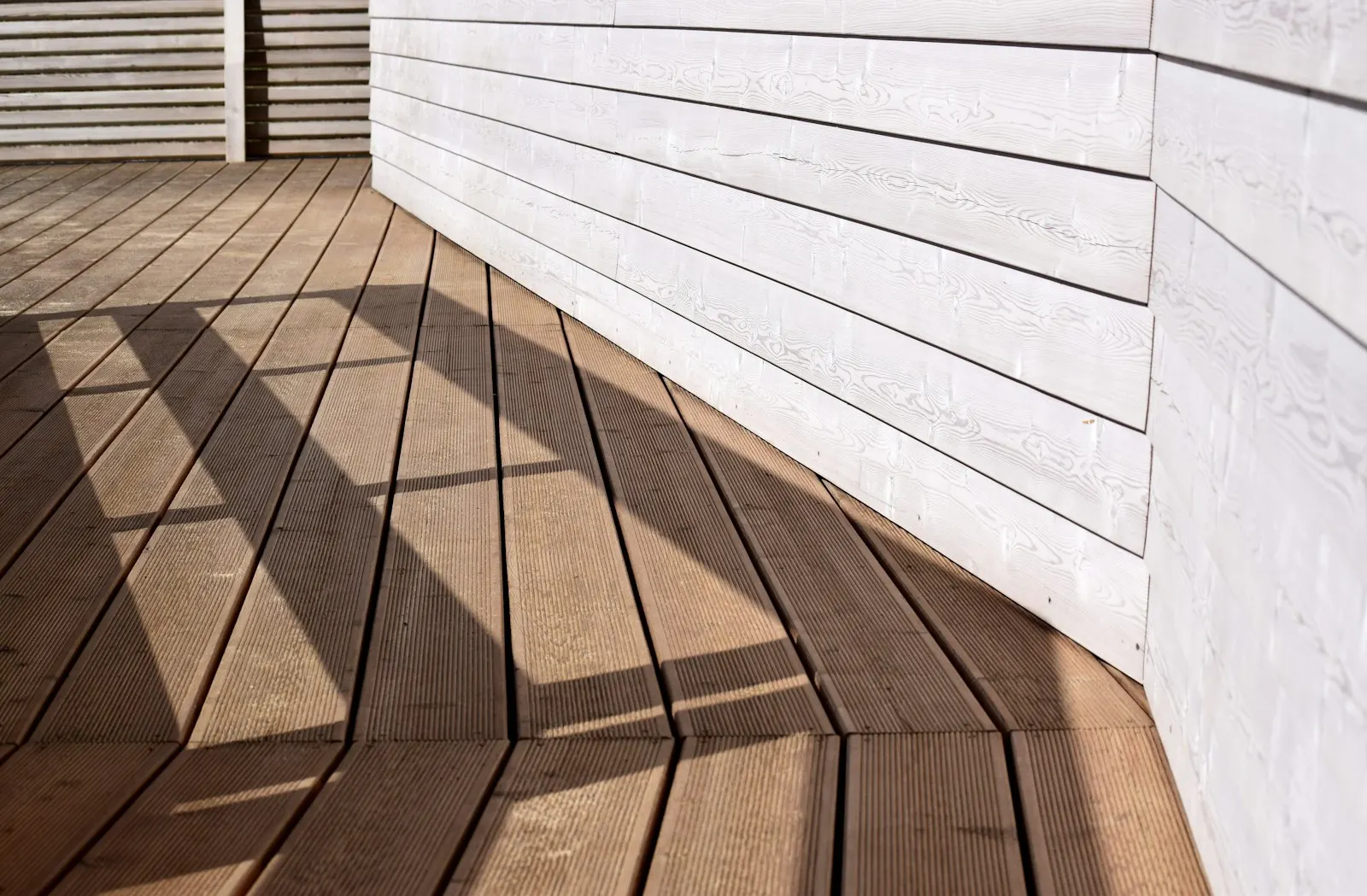
Grey, weathered timber decks can look new again after a careful clean. We use low pressure along the grain, and sometimes a timber cleaner to lift greying. After cleaning, the deck needs to dry fully before oiling. We can come back to oil, or you can do it yourself. See deck and pergola repairs for repairs before cleaning.
Fences and walls
Fences go green and dark on their shaded side. A gentle wash brightens timber and Colorbond. For painted and weatherboard walls, a low-pressure washdown removes cobwebs, dust and mould spots before painting or simply to freshen up. We avoid high pressure on walls near windows, vents and weep holes, where water could get in.
Driveways and paths in Casey
Long driveways on acreage around Harkaway and Narre Warren North can be large jobs, and some include gravel or chip seal surfaces that cannot be pressure washed. Typical suburban driveways in Narre Warren, Hampton Park and Hallam are plain or coloured concrete, while newer estates in Lynbrook, Lyndhurst and Narre Warren South often have exposed aggregate or pavers. We adjust our approach for each.
Before the visit
- Move cars, bins, pot plants and outdoor furniture off the area if you can
- Close windows and doors near the area being cleaned
- Let us know where an outside tap is, and confirm water is available
- Tell us about any loose pavers, cracked concrete or delicate surfaces
- Keep pets inside or away from the area during cleaning
Sealing after cleaning
Concrete, pavers and stone can be sealed after cleaning to make future cleaning easier and resist stains. Sealing is a separate job that needs the surface to be completely dry. If you are interested, ask and we can advise on whether sealing suits your surface, or recommend a specialist for large areas.
Related services
- Gutter cleaning
- Deck and pergola repairs
- Fence repairs and gates
- Painting touch-ups
- Property maintenance
- End-of-lease and rental repairs
Areas covered
Pressure washing across Berwick, Narre Warren, Narre Warren South, Narre Warren North, Narre Warren East, Hallam, Hampton Park, Lynbrook, Lyndhurst and Harkaway.
Pressure washing for sale and lease
First impressions matter for buyers and renters. Clean paths, a clean driveway and a fresh-looking deck in listing photos make a property look well kept. If you are preparing a property in Berwick, Narre Warren or anywhere in Casey for sale or lease, pressure washing can be bundled with other preparation such as patching walls, touching up paint, cleaning gutters and fixing doors. Agents can arrange access and we can work to the photography schedule.
Commercial surfaces
Shopfronts, entrances, car park footpaths and outdoor seating areas at cafes and small businesses benefit from regular cleaning. For businesses on High Street in Berwick, around Webb Street in Narre Warren or in the Hallam industrial area, we can schedule early starts to clean before trading. See our commercial handyman services.
Weeds, joints and regrowth
Pressure washing removes weeds and moss sitting on the surface and in joints, but roots in paver joints and cracks often regrow. After cleaning, we can re-sand paver joints to help restrict regrowth. For persistent weeds, you may want a weed treatment or paver joint sealing afterwards.
How long the clean lasts
A pressure-washed surface stays clean longer in full sun than in shade. Shaded paths on the south side of a house, decks under trees and fences near garden beds go green again faster, sometimes within a year. Sweeping regularly, trimming overhanging plants and keeping gutters and downpipes working so water does not pool all help a clean surface last.
Equipment we use
We use petrol or electric pressure washers with adjustable pressure, a range of nozzles from wide fan to narrow, and a rotary surface cleaner for flat areas so the finish is even without the striping that comes from a wand alone. Surface cleaners also reduce splash onto walls, windows and cars. For delicate surfaces, we drop pressure right down and use soft brushes where needed.
Pavers that move after cleaning
Pressure washing pavers removes the dirt and moss sitting in the joints, and sometimes some of the jointing sand with it. If the joints are left empty, pavers can shift, rock underfoot and let weeds back in. After cleaning, we brush fine jointing sand back into the gaps where needed. Pavers that were already loose, sunken or lifted by tree roots may need relaying, which we can quote separately for small areas.
Steps, ramps and entries
Front steps, ramps and entries are where slips are most likely, and they are often in the shade under a verandah or porch. A focused clean of these areas, especially before winter, is a small job with a real safety benefit, particularly for older residents, people using walking aids and homes with lots of visitors. For extra grip, anti-slip treatments or strips can be added after cleaning on suitable surfaces.
Bins, outdoor furniture and play equipment
Wheelie bins get smelly and grimy, outdoor settings collect dust and bird droppings, and children’s play equipment goes green in shady corners. These can all be cleaned in the same visit. We use gentle pressure on plastics and powder-coated metal, and keep cleaning products away from anything children play on.
Clotheslines, sheds and garage doors
Fold-down clotheslines, steel sheds and panel garage doors pick up dust, cobwebs and mould over time. A low-pressure wash brightens them up and helps you spot any rust or damage early. We avoid forcing water into garage door mechanisms or shed vents, and we keep spray clear of electrical fittings such as outdoor lights and power points.
A note on chemicals
Many surfaces come up clean with water alone. Where we do use a cleaner, such as a mould treatment on shaded paths or a timber cleaner on grey decks, we pick products suited to the material and apply them carefully away from gardens, ponds and pets. Let us know if you have fish ponds, vegetable gardens or water tanks close to the area so we can plan around them.
Frequently asked questions
Will pressure washing damage my concrete or deck?
Not when the pressure and nozzle are matched to the surface. We use a surface cleaner on concrete and low pressure along the grain on timber to avoid etching, striping or furring.
Can you remove oil stains from my driveway?
Pressure washing and suitable cleaners can lighten oil stains, but older or deep stains may leave a shadow. We will tell you what to expect before we start.
Do I need to be home?
Not necessarily. As long as we have access to the area and an outside tap, and cars and pets are out of the way, we can complete the work and send photos.
Do you clean house walls?
We do low-pressure washdowns of suitable walls to remove dust, cobwebs and mould spots. We avoid high pressure near windows, vents and weep holes.
Can you seal the surface after cleaning?
Sealing is a separate step done once the surface is completely dry. We can advise on whether it suits your surface and recommend a specialist for large areas.
Get a free quote
Send us your list of jobs, your suburb and a few photos. We will reply with a clear written scope and a free, no-obligation quote.
Get a free quote